Showing posts with label Medicine and Technology. Show all posts

Sunday, January 10, 2010

Technology and Medicine


Once in a while, I like to share some data from Google Analytics. Here are the top keywords that people are typing to land on this website:
  1. technology in medicine
  2. medicine technology
  3. medicine and technology
Now, I'd like to know: what are these individuals looking for? Something specific? Or, are they just looking for some general information about advances in medicine and technology? In any case, I hope they're finding what they're looking for while they're here. Otherwise, I hope they'll find something interesting on one of my other sites:
http://www.NonClinicalJobs.com
http://www.MedicalSmartphones.com
http://www.MobileHealthComputing.com


Tuesday, December 8, 2009

3 Things Patients Need to Know About Medical Technology


This is a guest post by Shannon Wills. If you're interested in submitting a guest post, please contact me.

3 Things Patients Need to Know About Medical Technology

There’s no doubting the fact that technology has made our lives so much easier; it is advancing my leaps and bounds and is becoming more useful by the day, especially in the field of medicine where it has diagnostic and life-saving uses. There are breakthroughs and innovations taking place every day and we are benefiting immensely through medical technology. But as a patient, if you want to really optimize your use of technology in this field, here are a few things you need to first know:
Is it right for you? It may be innovative and path-breaking, but is the technology right for your condition? Doctors may suggest that it is available and that you could try it, but it’s up to you to decide whether to make use of it or not. For example, if you’re young and lead an active life that involves playing sports and exercising regularly, you’re definitely going to want to undergo a reconstruction surgery for your torn ACL (anterior cruciate ligament). But if you’re past the age of 60 and tend to lead a sedentary life, why waste your money and time on a surgery that is going to be painful and that requires a long period of rehabilitation? The ACL is responsible for balance during quick movements, and even if it is torn, you could get around comfortably without a problem with just some simple exercises if you don’t lead a very active lifestyle. So before you take advantage of technology, know if you really need it.
Has it been tested adequately? Some advancements made in the field of medicine are as yet untested and still in the experimental stage. But because we are eager to find a cure for the illness that affects us, we fail to take into consideration the side effects and adverse consequences of experimental surgeries and other forms of technology in medicine. Some people have nothing to lose by trying new technology because they suffer from terminal illnesses or conditions. But there are others who try out new technology for trivial conditions that really don’t technology (like cosmetic surgery) and end up having to live with the consequences for the rest of their lives.
Is it being harnessed by the right people? In some cases, the technology may be proven, but when the people who use it are not skilled or competent, it is equivalent to being worthless. So before you go in for a complicated treatment or surgery, ensure that you choose the right healthcare team and avoid unnecessary complications and preventable medical errors.
When it comes to medicine and technology, it’s best to do your research and get a second opinion before jumping into any form of treatment without a second thought. After all, it’s your health and life at stake.

This post is contributed by Shannon Wills, who writes on the topic of x ray tech schools . She welcomes you comments at her email id: shannonwills23@gmail.com

Wednesday, September 16, 2009

Implanting a tooth in your eye?

It may not make sense, but Kay Thornton can now see thanks to a team of ophthalmologists and dentists. CNN reports that Thornton had her tooth implanted in her eye to function as a base to hold an artificial lens. Thornton lost her sight secondary to corneal scarring that resulted from Stevens-Johnson syndrome in 2000 and she has been living in darkness for the last 9 years. Her procedure is called a modified osteo-odonto keratoprosthesis (MOOKP). Try pronouncing that three times.

As technology advances medicine, perhaps this procedure won't require a tooth in the future. New synthetic materials will emerge. Maybe we'll even see some form of an artificial eye in the future.

Tuesday, July 14, 2009

Grand Rounds July 14, 2009: Technology and Healthcare


Welcome to Grand Rounds Vol. 5 No. 43 @ Medicine & Technology. The theme is this week is to look at different ways technology is changing the world of healthcare. I am your host this week and I hope you'll enjoy some of these interesting stories.

To start things off, we see Marya (Healthcare, etc.) talking about patient rights and the potential effects of false positive results. This may lead to unnecessary tests and/or medications and possibly even some invasive procedures. Do we really need to biopsy every small incidentaloma that appears on imaging studies? Perhaps as diagnostic testing improves over time, we will have fewer false positives.

Ramona (Suture for a Living) reminds us that we must not Forget HIPAA Privacy Rules as we continue to expand the use of electronic health records (EHRs). We know that EHR adoption will increase rapidly over the next several years as billions of dollars get channeled from the government.

Jolie (I am Dr. Jolie Bookspan, The Fitness Fixer) describes some of the high-tech things she got to do as a military research scientist. I wonder what those pilots experience as they go through acceleration testing and undergo serious g-force effects.

Bongi (other things amanzi) writes about a funny story that happened during his Saturday rounds when his boss focused on clothes and not on anyone's morning breath (improved breathalyzers in the future should pick up faint signals of ETOH during morning rounds).

Alison (Shoot Up or Put Up) talks how the internet has provided her with some useful tips to help her live with diabetes. The web is full of both reliable and unreliable health information for patients. Even healthcare professional sometimes get misguided by the information that can be found online.

Ryan (ACP Internist) shares an awesome acronym of the week: SHUTi, a new Internet program that shows promise for helping people get to sleep. Can stories, quizzes and games really teach people to have better sleep habits? Let's see.

Hank (InsureBlog) talks about how some patients are cleaning up their own hospital rooms. Perhaps once we have some fully-automated cleaning robots, we should be free of that problem. We just need iRobot to make make some hospital-grade Roomba and Scooba cleaning robots.

Nancy (Teen Health 411) writes about an exciting electronic Wellness Assessment for Youth - called WAY2GO! that's coming to We're Talking Teen Health at the Palo Alto Medical Foundation (PAMF). Thanks to a partnership between the Health Trust, Vive, and PAMF, teens will be able to get a personalized health report back with links to a new service providing free personal health coaching via the web and their cell phones.

Sam (Canadian Medicine) writes about Dr. Bob Thirsk, a Canadian physician who is living on the International Space Station. What's he doing up there? Providing medical care for his fellow astronauts and operating the Canadarm2. I'd love to head out to space some day.

Jay (Colorado Health Insurance Insider) suggests that change in protocol for breech births may actually benefit mothers, babies, and health insurance companies. Is it possible that surgical technology has made it too convenient to opt for a C-section? What if we performed fewer C-sections?

Dr. Charles (The Examining Room of Dr. Charles) writes about the low-tech importance of empathy in taking a family history, and the precarious control of emotions that is needed in being a good listener. What does that look like? A level-headed, composed and somewhat thoughtful response.

OTW (On The Wards) writes how the increasing prevalence of drug-resistant bacteria is generating a need for newer weapons against infectious diseases. Why do we have all these superbugs? Are healthcare professionals too eager to prescribe antibiotics? Let's hope some advances in drug development will lead to more effective therapies against these multi-drug-resistant organisms.

Clinical Cases (Clinical Cases and Images - Blog) writes about ways to improve medical RSS aggregators. Do you even know what RSS stands for? What about Web 2.0? Speaking of RSS and Web 2.0, do you Twitter? Make sure to follow interesting medical bloggers on Twitter. You can start by following me @DrJosephKim

Allergy Notes (Allergy Notes) talks about one of my favorite topics: chocolate. Or, actually, chocolate allergies. I think if I ever developed that, I'd be taking Benadryl all the time. It's hard for me to imagine a life without chocolate. I could live without many things, but I'd really miss chocolate. If I developed a chocolate allergy that resulted in anaphylaxis, I'd probably go through several epi-pens each day.

Murali (SharpBrains) discusses the Pros and Cons of the most common assessments to identify cognitive problems, introducing the opportunity presented by innovative computerized neuropsychological tests. I think I'd prefer going through a battery of assessment tests over a brain biopsy. How about you?

Barb (Florencedotcom) writes about the well-known IT caveat "garbage in-garbage out," and what it means since the medication use system we rely on is rife with failure points. I haven't thought about GIGO in a very long time. We definitely need more drug safety specialists to help prevent medication errors. Computerized Prescriber Order Entry (CPOE) may reduce some errors, but it won't eliminate all of them.

In a guest post, Michael (Health Business Blog) talks about how Dr. Francis Collins (nominated as the head of the NIH) is getting a bum rap. What do you think about the Human Genome Project? I think it's rather amazing to see how far we've come in human genomic science.

The Samurai Radiologist (The Samurai Radiologist) asks: Which background music/sound is optimal for cognitive activities such as film interpretation? A quick and dirty study while on call suggests classical music. Bach, to be precise. In my former life, I used to play the oboe (but I wasn't one of those crazy, fanatical oboe players).

Randel (Disruptive Women in Health Care) blogs about the medical device industry, particularly the “use (or underuse)” of technology as it relates to what she describes as an “arcane” payment system. Although comparative effectiveness research must be used to test new medical technology, reform in the payment system is equally necessary.

Jan (Doc Gurley, Posts From An Insane Healthcare System) covers new information about the placebo effect, including a hierarchy of results (did you know big pills work better than small ones?). In her article, she also points out that positively reinforcing a result makes it more likely to happen. So does this mean all those TV and internet drug adds are boosting a drug's efficacy?

David (HealthBlawg :: David Harlow’s Health Care Law Blog) spoke with Prof. Rodwin about his proposal that all de-identified health data be subject to public ownership, so that private companies cannot restrict access to it and/or monetize it. Public ownership would ensure availability of data for comprehensive public health and evidence-based medicine uses.

Chris (Life in the Fast Lane) offers some pointers to help ‘Web 2.0 laggards’ pull their heads out of the ground and off-load the stress of information overload. Fear of information overload is a barrier preventing doctors from using web resources. But, given that humanity has been experiencing information overload since the invention of the Gutenberg press, ignoring web resources to avoid confronting this daunting problem is a maladaptive, self-defeating strategy.

Well, that wraps it up for this week. Thanks for attending Grand Rounds here at Medicine and Technology. And next week, head over to our surprise, last-minute guest host's site: www.docgurley.com (Doc Gurley, Posts From An Insane Healthcare System), for details on how you can submit. In addition to hosting Grand Rounds, Doc Gurley also will be, that same weekend, speaking at the Mystery Writer's conference in Marin about death, mayhem and the urban underside of life. If you're looking for inspiration, or a theme for Grand Rounds' July 21 submissions, the code word for next week's Grand Rounds is...mystery! Get your submission in early and win big Big BIG karma points! [AND, if you're a San Francisco Bay Area health blogger, send an email to Doc Gurley at docgurley (at) gmail (dot) com for details about the first ever health bloggers' meet-and-greet - ALSO on July 21!]

Thursday, May 14, 2009

It's a Tree-Climbing Robot!


This may seem a bit off-topic, but you'll see me tying this into medicine and technology. This photo on the right is of a tree-climbing robot developed by engineers at the University of Pennsylvania. RiSE is a four-legged robot that can both scamper along the ground and rapidly climb a tree or a pole. RiSE V3 was designed and built at Boston Dynamics (they make the four-legged military robot BigDog).

So how is this robotic technology relevant to medicine and technology? It's relevant because robotic technology has been used to help disabled people walk (ReWalk Exoskeleton). As engineers develop more sophisticated robots, this type of technology may translate over to the healthcare field and help people who are physically disabled. Image source: Technology Review.

Tuesday, May 12, 2009

Regenerate Cartilage?

Link
If you scrape your knee, your skin grows back. If you damage cartilage, does it grow back? Not usually. Thanks to some advances in nanotechnology, it may be possible to regenerate cartilage. In this image on the right, mesenchymal stem cells are grown on a scaffold of nanofibers. Biomedical researchers are constantly looking at ways to utilize nanotechnology to advance healthcare. The end result in this case may lead to new cartilage that can get transplanted into those areas of wear-and-tear and/or injury. Image source: Technology Review

Monday, May 11, 2009

Top Search Engine Keywords Last Week

Over the last week, here are the top search engine keywords that people typed to reach this site:
  1. medicine and technology
  2. blackberry storm medical
  3. joe kim blog
  4. technology in medicine
  5. free emr
  6. technology and medicine
I'm not surprised to see that people are still looking into free EMR solutions and medical software for the BlackBerry Storm.

Friday, May 1, 2009

Tunstall Gets FDA Clearance for Wireless Telehealth Monitor With Built-in GSM/GPRS


Mobile technology has taken home monitoring to an entirely new level. The company Tunstall has received FDA 510(k) clearance to market wireless telehealth monitor with built-in GSM/GPRS technology. The device is called the RTX3371. It collects data from various home monitoring devices (like blood pressure cuffs, weight scales, etc.) and then transmits that data wirelessly to your healthcare provider. It can even talk to you! So, if you want to keep an eye on your patient's weight at home, this may be the device to get. Hopefully, as we see more of these types of medical devices emerge, the self-management of chronic conditions will improve. These are some exciting developments in the world of medicine and technology!

Tuesday, April 28, 2009

Infrared Heat Sensors to Detect Fever


If you're traveling, you may get scanned by infrared thermal imaging systems that are looking for signs of fever. Swine flu continues to be the hot topic all over the news. Will it turn into an epidemic? A pandemic? The fears are mounting and airports are taking precaution. Remember how travelers were screened at the airport for fevers during SARS? As technology advances and improves our ability to detect signs and symptoms of illness, let's hope that we'll be able to contain this outbreak quickly. Many people don't understand the public health implications associated with a massive epidemic and let's hope that the public won't have to experience something like this first-hand.

Friday, April 24, 2009

Visit to the Doctor: Today vs. the Future


I had a visit to the doctor yesterday. I admit that I still chuckle inside when I see people filling out paper forms. Someday in the future, when people visit their doctor, they won't be filling out forms. Instead, they will be pressing on-screen buttons on kiosks and tablets. Everything will be digital and paperless. You'll see electronic health records (EHRs) everywhere. We'll be represented by barcodes or some type of sophisticated RFID chip (no, I don't think this chip will get implanted under our skin). However, I am convinced that in the future, doctors will be operating with a paperless system. All our health data will be digital. If you use an Internet-based personal health record (PHR) service, then you'll have access to your information whenever you need it.

Thursday, April 23, 2009

Telemedicine Leads to Criminal Conviction


This morning, I was reading an article about how telemedicine was improving stroke outcomes in Arkansas. Doctors in remote towns were getting consultation over the phone and Internet. You can send radiology images through e-mail, have a radiologist review it, and then provide advice for the patient. Telemedicine makes it possible for physicians to practice medicine in remote locations. Telemedicine technology was developed primarily to help healthcare providers in remote locations who don't have access to large medical centers. Well, a doctor in Colorado abused this technology and is now paying for it by spending 9 months in jail. His name is Christian Hageseth and he was convicted of practicing medicine in California without a medical license. He did not have an active California medical license and prescribed generic Prozac to a Stanford student John McKay who later committed suicide. So do you need to have an active medical license in every state if you're to practice telemedicine? To be on the safe side, perhaps you should only practice telemedicine within your own state (assuming that you're licensed to practice medicine in your state, of course).

Wednesday, April 22, 2009

Portable Ultrasound Fits in Your Pocket


That would be the tagline for this new product if one ever gets developed. If you could convert your smartphone into an ultrasound device, would you do it? Then you'd have a real medical smartphone! Go to Washington University and you'll see what I mean. These guys (William D. Richard, Ph.D., Washington University Associate Professor of Computer Science and Engineering, and David Zar, Washington University Research Associate in Computer Science and Engineering) have developed a USB-based ultrasound probe that plugs into smartphones. Now that most smartphones are going to have a universal micro-USB port, such a probe may actually be useful in the future because all the phones will have compatible connectors. Microsoft has funded research in this area. I wonder when Apple will start providing research grants in this area. Let's hope they don't change iPod/iPhone connectors if they build a probe that plugs into the bottom of the device.

Monday, April 20, 2009

Advances in the Pathology Lab


Some of the most significant updates in the world of medicine occur in the lab. The pathology lab to be precise. Pathology isn't the most popular specialty among medical students, but it's gaining momentum because more and more students are recognizing that you can have a fairly normal lifestyle as a pathologist. Think about how technology has allowed us to understand the science of diseases. The electron microscope is a brilliant invention! Modern technology will only improve our ability to understand diseases at a molecular level.

The American Society for Clinical Pathology (ASCP) is having "Lab Week" this week. The theme is: "Laboratory Professionals Get Results."

Thursday, April 16, 2009

New Template on Medicine and Technology

I'm trying out a new template for Medicine and Technology. Thank you lawnydesignz! I hope you like it!

Sensei Launches iPhone Application for Diabetes

If you have diabetes, you're probably used to gadgets. If you have type 1 diabetes, you probably wear an insulin pump and you're really familiar with gadgets. In the world of diabetes, you have glucose monitors (from companies like Accu-Check. LifeScan, and others), insulin pens, insulin pumps that look like pagers, and even continuous glucose monitoring (CGM) systems (from companies like Medtronic, Abbott, and DexCom). It's great to see advances in healthcare technology and medical devices. I always had a passion for the medical device industry and as a kid, I thought that I would be a biomedical engineer.

The iPhone is a great medical smartphone and there is now a new diabetes application for diabetes. Sensei (a subsidiary of Humana) has released My Diabetes Guide. Looks pretty cool! LifeScan is also coming out with a diabetes application for the iPhone that may sync glucose readings from blood glucose monitors (glucometers). Hopefully, all these gadgets for diabetes will ultimately help patients improve glucose control.

Wednesday, April 15, 2009

Dell XT2 Tablet


Speaking of the Dell XT2 Tablet, I've noticed that Dell knows who they are targeting on their website. This image was taken from their tablet site and you can see that they are advertising the "touch feature" of this tablet PC. My Lenovo Thinkpad X200 Tablet also has this feature. I can use my stylus pen (active digitizer) to write on the tablet and enter data. I can also use my finger (or any other passive device) to tap on the screen. This type of multi-touch allows you to quickly enter information and navigate without always relying on your digital stylus pen. I love where technology is taking us in the computing field.

Smartphone Use Among Physicians on the Rise

According to a recent study by Manhattan Research, the use of smartphones among physicians is now at 64%. The study is titled, "Taking the Pulse v9.0." The use of mobile devices like the iPhone and BlackBerry increased by 20% in one year. It's not a surprise that the number of physicians who use the iPhone more than doubled in the past year. Now with the availability of the touch screen BlackBerry Storm, I anticipate that more doctors will be using the BlackBerry. Overall, physicians are spending more time online and are using both computers and smartphones to stay current and access medical information. They are also using mobile devices to access CME activities. So smartphones have a bright future ahead in the medical industry. As these devices become more powerful and ubiquitous, they will permeate the healthcare space and play an even larger role in the daily workflow of medical students, residents, physicians, nurses, and pharmacists.

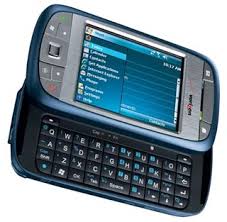
I currently use a Windows Mobile device (the Verizon Wireless XV6800, also known as the Sprint Mogul and the HTC Titan). If I were on the AT&T network, I'd be an iPhone user. If I had to buy a new phone on Verizon, I'd probably get the new BlackBerry Storm that will have Wi-Fi. If I were on T-Mobile, I would get the G1 running Google Android.

eClinicalWorks, Dell, and Walmart

The eClinicalWorks package at Walmart will include Dell computers. Which Dell tablet PC will be included in the package? That's right, the expensive Dell XT2 Tablet running Microsoft Windows. No Apple tablet running OS X for those who are Mac lovers. I wonder if we'll actually get the chance to play around with an XV2 in the Walmart stores. People don't recognize the value of a tablet PC and most will probably use this convertible tablet as a notebook/laptop. However, for those who take advantage of the pen-based input system, they will quickly learn how efficient they can be by using the digital stylus. What about the ultra-mobile PC platform? Sometimes I wonder about these tiny devices and netbooks. Will they gain momentum in the healthcare field?

Tuesday, April 14, 2009

Tablet PCs on CSI

I don't usually watch television at home. I'm too busy blogging. However, when I'm at the gym, I'll turn on the television and watch shows like CSI (Crime Scene Investigation). Here's what draws me to the show: they use tablet PCs and other cool gadgets in the lab. You don't see many slate tablets out there among consumers. Slates are primarily used in the vertical market. However, I use a convertible Lenovo Thinkpad X200 tablet and I love it. I'm a huge fan of tablets and I think that they are underutilized in both healthcare and education. They are much more interactive than standard computers and I think we're going to see them make a comeback someday. They're gaining some traction within the medical community, but once again, this is a vertical market. Will the release of an Apple Tablet put fire back into the tablet market?