Showing posts with label disease management. Show all posts

Thursday, September 9, 2010

#mHealth : Longitudinal Health for Diabetes Care (in Hawaii)

Today is the last day of the 2nd International mHealth Networking Conference. As a physician champion for the HCPLive Network, I'm excited to blog about some of the highlights from this meeting. You can also follow updates about the mHealth Networking Conference on HCPLive.com.

Joseph Humphry, MD, Health Center Medical Liaison, University of Hawaii. Dr. Humphry spoke about some longitudinal studies evaluating the effect of mHealth in diabetes care in Hawaii. Longitudinal health is a care delivery system that allows continuous interaction between the care team and the patient using mHealth technology. It focuses on the use of social support networks for patients and their families.

They are currently in the process of completing a feasibility study (Ohana Health 2009) in Hawaii with 15 patients with diabetes. They are using a comprehensive disease management program (CDMP) and uploading glucose values. 5 patients are using Bluetooth enabled smartphones to upload their glucose values.

Here's what they found:
  • Patients with limited exposure to technology are able to use remote monitoring
  • Patients respond positively to graphs and charts of their glucose values
  • Some patients were experiencing "upload fatigue"

Friday, April 16, 2010

Patients with chronic diseases are less likely to use the Internet

According to a recent report titled, "Chronic Disease and the Internet" that was published by Pew Internet & American Life Project:
U.S. adults living with chronic disease are significantly less likely than healthy adults to have access to the internet (62% vs. 81%). 
How will these patients gain access to valuable online disease management resources? After all, aren't these the individuals who should be using online personal health records and interactive disease management tools? Shouldn't they be the ones participating in online forums, sharing stories, and encouraging each other with social support? So much consumer health education content is written specifically for patients who have several chronic conditions and who need to learn ways to improve the self management of their conditions. How will they gain access to this information if they're not getting online?

As the general patient population gets more comfortable with computers and the Internet, they are also at risk for misinformation. After all, a large proportion of health content that's published on the Internet is inaccurate and I don't think we'll ever know how to quantify this amount given the volume of blogs and forums where people are talking about medical conditions.

You can read the report titled, "Chronic Disease and the Internet" here. This report is the result of collaboration between the Pew Internet Project and the California HealthCare Foundation

Thursday, April 1, 2010

PatientsLikeMe

PatientsLikeMe was started in 2004 by 3 MIT engineers. Illness hit home when a Heywood family member developed ALS (Lou Gehrig's disease), and two brothers got together with a friend to develop an online community called PatientsLikeMe.  Here's how it works:
Our goal is to enable people to share information that can improve the lives of patients diagnosed with life-changing diseases. To make this happen, we've created a platform for collecting and sharing real world, outcome-based patient data and are establishing data-sharing partnerships with doctors, pharmaceutical and medical device companies, research organizations, and non-profits.
I think it's so great to see MIT students applying their talent to provide resources for patients and family members. You don't need to be a physician to help patients. Technology offers so many unique ways to serve those who are struggling with life-changing chronic conditions. There are many social support groups and online resources that have allowed patients to get the help they need during some of their most difficult times.

If you're looking for such a resource, visit: http://www.patientslikeme.com

Wednesday, February 17, 2010

What's happening at Keas?

Have you heard of Keas? Maybe you've heard of Adam Bosworth. He's a Harvard grad (I think he should have gone to MIT) and he headed Google Health when he was at Google. Now, he's the Founder, President & CEO of Keas.
Keas (www.keas.com) is an interactive service that enables the best medical minds in healthcare to provide individuals with ongoing advice and interpretation about their unique health data—such as lab results and current conditions—and help them take action to achieve their health goals. The mission of Keas™ is simple: To help you understand what your health data means and how you can use it to be as healthy as possible.
So, what's happening at Keas these days? The latest news is a press release from Feb 8: 

Pfizer and Keas Partner to Help Consumers Take a More Active Role in Their Health and Wellness
Pfizer and Keas announced today they have entered into an alliance to collaborate on the Keas platform to enable Health and Wellness experts to author, sell and distribute personalized online Care Plans directly to patients. Pfizer and Keas will collaborate to develop care plans and related capabilities that seek to provide consumers, patients and their providers an intuitive, engaging, easy-to-use, and low-cost way to manage their health & wellness, prevention and care delivery...

Having worked in the personal health record or PHR space in the past, I'm very curious to see what happens with Keas as this company takes a different approach to disease and wellness management through their care plans.

Wednesday, February 10, 2010

Concierge disease management

The concept of concierge medicine may not be new, but what about concierge disease management? The problem with traditional disease management or DM is that patients often get lost and they don't end up receiving the personalized level of care that they need. Why? Because it would be much more expensive to deliver that level of care.

I'm currently reading an article in BusinessWeek magazine titled, "Take Your Meds, Exercise—and Spend Billions" (click here to read that story)

There are many people who don't believe that traditional disease management programs are cost-effective. Given recent advances in technology, I'm sure that disease management programs can become much more effective and robust. There are mixed opinions when it comes to the topic of traditional disease management with health coaches and financial incentives, but what about exploring the idea related to concierge disease management? We probably don't have much data on that type of concept, but I'm sure it would make a tremendous impact on patient outcomes if people could afford such services. Unfortunately, the reality is that few people would be able to afford such boutique services, so you'd be left with clients who are from the "rich and famous" or elite upper class of society.

Saturday, October 10, 2009

Do busy physicians have enough time to educate their patients?

I think most patients will agree that their physician probably doesn't spend enough time educating them about their health conditions. It's really a shame, but ever since managed care (HMOs specifically) entered the world of health care, primary care physicians have gotten so busy. Some doctors are spending 5 minutes or less per visit, just so they can meet their "quota" for the day. Of course, I'm generalizing here and I know that many physicians out there do their best to spend ample time with patients. However, I also know that quite a few doctors are getting burned out and they no longer enjoy seeing patients because they feel so rushed.

If patients aren't getting educated about their condition from their doctor, then how are they learning critical self management principles? Do patients with diabetes get to spend time with a certified diabetes educator? What about heart failure patients who need some coaching on proper lifestyle measures? Are managed care health coaches doing their role in guiding high-risk patients?

Effective disease management requires collaboration among many parties: the patient, the healthcare provider(s), and even the payer.

Shifting health care costs

According to a recent story on BusinessWeek, the heavy costs of health care are shifting more towards employees. Employers will need to pay more to provide health insurance, but the burden will increase significantly more for employees. I suppose it will also really depend on how much your employer currently pays. Will your company start paying a smaller percentage of your health insurance premiums?

According to the story titled, "Health Costs: Steeper Still," we have seen employers' health care costs rise 149% since 2000. 175 million people are covered by private employers.

Perhaps the role of wellness and disease management programs will need to be re-evaluated. If a public option becomes available, I wonder if that will also include some type of wellness program. What percentage of health plans will offer formal wellness and disease management programs in 3 years? What about in 5 years?

Technology is making it more easy for patients to learn ways to improve their health and wellness. There are many personal health record (PHR) services that are freely available. Consumers can get educated about certain diseases by reading articles on reputable websites. There are web-based health programs that can guide patients to live a healthier lifestyle. Advances in mobile technology are also contributing to health and wellness initiatives.

Sunday, May 10, 2009

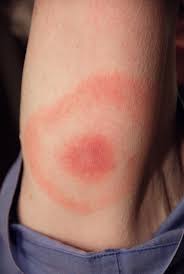
May is Lyme Disease Awareness Month


This month is Lyme Disease awareness month. What do you know about Lyme Disease? Do you live in an area where ticks cause diseases? I do, and I've lived in several different states where ticks cause medical diseases (like Lyme Disease, ehrlichiosis, and Rocky Mountain Spotted Fever). When we're talking about ticks, it's important to differentiate between diseases caused by Borrelia vs. Rickettsia. You don't have to be an infectious disease expert to know the difference between these.

Lyme disease is caued by a bug (well, not literally a bug) called Borrelia burgdorferi. Everyone probably knows that you get Lyme through a tick bite, so as camping season approaches, it becomes important to check yourself for ticks.

Tickborne rickettsial diseases (TBRD) include other diseases like: 1) Rocky Mountain spotted fever (RMSF), 2) ehrlichiosis, 3) anaplasmosis, and 4) emerging diseases such as Rickettsia parkeri infection. The CDC has a great site that summarizes these common diseases.

Thursday, April 30, 2009

Future of CDHP


I was having a discussion the other day about the future of consumer-directed (or driven) health plans (CDHP). We live in a world where managed care dominates the healthcare industry. Under this new administration, many things in the healthcare system will change. Some are talking about universal health coverage. Will that be like the VA (Veterans Affairs) system? Will be turn into Canada? No one seems to know the answers to these questions, but one thing is clear: we need to reduce healthcare costs and also improve disease management.

I personally believe that technology will help patients with disease self-management. If we look at some of the conditions that burden the healthcare system, they would include things such as: diabetes, heart disease, heart failure, COPD, asthma, and many others. Patients who have any of these conditions must be very active in caring for their conditions. They must adhere to their medication regimen. They must follow-up appropriately with their healthcare providers. The use of modern technology is improving the care of some of these conditions. Glucose monitors and insulin pumps are becoming more sophisticated. Cardiac devices are saving lives at home. Home monitoring devices are improving care for millions of patients. Patients are receiving education through the Internet (although they're also getting misinformation).

Well, I've obviously gone on a tangent, but I will return to this topic of CDHP in a later post.

Monday, April 20, 2009

Advances in the Pathology Lab


Some of the most significant updates in the world of medicine occur in the lab. The pathology lab to be precise. Pathology isn't the most popular specialty among medical students, but it's gaining momentum because more and more students are recognizing that you can have a fairly normal lifestyle as a pathologist. Think about how technology has allowed us to understand the science of diseases. The electron microscope is a brilliant invention! Modern technology will only improve our ability to understand diseases at a molecular level.

The American Society for Clinical Pathology (ASCP) is having "Lab Week" this week. The theme is: "Laboratory Professionals Get Results."

Sunday, February 15, 2009

Non-Clinical Medical Opportunities for Physicians and Other Clinicians

updated again on 9/15/2011

For more info, please visit (and bookmark) my other website that is devoted to non-clinical opportunities: 

http://www.NonClinicalJobs.com


If you're a physician and you're considering a non-clinical career, you may be wondering about all the opportunities out there. I get asked about this all the time. Over the years, I've had a chance to meet different physicians working in various companies and industries.

The following may apply even if you're not a physician. If you're a clinician (nurse, nurse practitioner or advanced practice nurse, pharmacist, physician assistant, medical assistant, medical researcher, podiatrist, physical therapist, psychologist, counselor, etc.), many of these opportunities may still be appropriate for you.

First, ask yourself what you enjoy. After all, if you don't enjoy clinical medicine, you don't want to end up doing something else you're not going to enjoy. Then, start networking like crazy. Leverage all the online social networking sites (like LinkedIn, Facebook, Plaxo, etc.) and get reconnected with old colleagues, classmates, and friends. Find out what people are doing. They may help you get connected to some key people. You may find some of the best opportunities this way. If you're a woman, you may want to check out MomMD (www.mommd.com) and join a community of women who are seeking non-clinical opportunities ranging from part-time to full-time work.

The following list of opportunities is clearly non-exhaustive and many of these areas have significant overlap. This list is based on my personal interactions with people in these roles and as I meet more people, this list grows.

Here is my growing list of non-clinical opportunities for physicians (not in any particular order).

1. Healthcare administration, medical management, hospital administration, managed care - Are you a seasoned healthcare executive? Do you enjoy making administrative decisions? Then join the American College of Physician Executives (ACPE) and run a hospital or a managed care organization. If you have a strong interest in managed care, then check out the NAMCP (National Association of Managed Care Physicians). You may want to get an MBA or an MMM (masters in medical management) if you don't already have one. An active US medical license is required for most (if not all) of these positions.

2. VC (venture capital), finance, Wall Street, market research, etc. - Got an MBA? If not, are you thinking of getting one? Some will argue that once you have an "M.D." after your name, it may not matter as much where you get your MBA. However, I would argue that your MBA is your path to networking opportunities, so where you get your MBA is critical if you want to have a solid network. Once you get your MBA, you can work for venture capital (VC) firms, dig into market research companies, or work for Wall Street. Heard of the Gerson Lehrman Group (www.glgroup.com)? No clinical experience necessary for many of these opportunities, but it's always helpful so that you can effectively communicate with KOLs (key opinion leaders) in the field. Many joint MD/MBA students have ventured directly into very successful careers this way. Also, an MBA is not necessary if you have some good business skills and understand the healthcare industry. You will need strong people skills and a willingness to work long hours.

3. Writing and medical communications (includes promotional education, certified CME/CE, consumer health education, and much more) - Do you enjoy writing? Many physicians and non-physicians have very successful careers as medical writers. The field is open to people who enjoy fiction writing, publications, research, or other types of writing. You can get involved working on journal publications, developing promotional content for marketing campaigns, or developing CME programs. Join the AMWA (American Medical Writers Association) and look for opportunities. You can work from home as a freelance writer and have a very flexible schedule. Or, you can work for a publisher or another type of healthcare communications company. You can find a list of some companies by looking at the North American Association of Medical Education and Communication Companies, Inc., (NAAMECC) website. No clinical experience necessary.

4. Technology and Informatics (health information technology, healthcare informatics, EHR/EMR, PHR) - Want to develop or improve an electronic health record (EHR) system? Do you love informatics? Then join the CCHIT (Certification Commission for Healthcare Information Technology), the AMIA (American Medical Informatics Association), and the AHIMA (American Health Information Management Association). Clinicians use EHRs and patients (or consumers) use PHRs (Personal Health Records). There are many companies attempting to integrate the data between PHRs and EHRs. There is a national initiative to improve and standardize public health informatics, so now is a great time to enter this industry. No clinical experience necessary, but you should be familiar with ICD, CPT, and other billing codes used in this industry.

5. Disease management, Personal health record (PHR) - Managed care organizations (MCOs) are always looking for better disease management (DM) programs for their plans. Some MCOs develop their own DM plans and others outsource them to external companies. These companies create and deliver various services to managed care organizations, including DM, wellness programs, personal health record (PHR) services, etc. Do you ever get educational pamphlets from your own health plan? Who puts them together? Who designs and develops these wellness and preventive health programs? It's not always WebMD. There are other companies that provide similar services.

6. Pharmaceutical/Biotechnology/Medical Device - If you're a medical specialist, there are many opportunities to do research for these companies. If you don't enjoy research, then you can develop marketing strategies. Direct-to-consumer (DTC) advertisements have become very popular these days. See all those ads in the medical journals? Get ready for that "corporate America" lifestyle if you plan to venture into industry. You may be working even more hours and carrying a Blackberry instead of a pager, but if you climb that "corporate ladder" and play the corporate game, you may qualify for an early retirement. Young people who are fast learners may be very aggressive and advance rapidly. Be prepared to have a younger boss if you're a seasoned clinician.

7. Independent medical examiner (IME), Expert witnessing, and Legal medicine - Personal injury, medical malpractice, nursing home care, etc. There are firms that specialize in specific areas (like nursing home cases). Want more information? Join the American College of Legal Medicine (ACLM). You can also become board certified by the American Board of Legal Medicine (ABLM).

8. Public health, population health, health policy, and government health - Get an MPH, join the APHA (American Public Health Association), and find a local health department. Or, join the CDC and travel the world. Develop strategies to improve population health. Some pharmaceutical companies also have public health sections and are very devoted to public health and international health (Pfizer in particular comes to mind). Bridge gaps in healthcare disparities. Work for the FDA or a state or local health agency.

9. Consulting - The world is open. Want to work for yourself or for a company? Many healthcare companies are looking for experts to help them develop, refine, and improve their products and services. It may be hard to get started unless you've already established connections. Once again, social networking becomes critical. Your initial success will depend more on who you know.

10. Research - Academia vs. private vs. industry vs. CRO. You don't have to go into industry to do research. Look for a Contract Research Organization (CRO) in your area. Join the ACRO (Association of Clinical Research Organizations). You may want to look at PPD (no, this is not the TB skin test). PPD is a large global CRO. Of course, there are also many other CROs.

11. Executive recruiting, search firm, headhunting, human resources - Physicians can work as an executive recruiter to hire and place other physicians. You can also work your way up and manage other recruiters who do the hiring. Remember, these 'head hunters' get paid a commission based on the salary of the person they place. The $ earning potential can be tremendous if you're successful.

12. Start a company - Have an innovative idea? Start a company! New companies seem to be sprouting all the time. Stay connected with people and keep your eyes open for new ideas. Get an MBA and meet people who can help you get a concept off the ground.

Not sure where to start? As I mentioned above, start building your social and professional network. Reconnect with people and ask many questions. Find people who are in various positions and ask them what they like/dislike.

Join some associations to build your network and to find companies. Note that some associations are specifically for physicians, but many are open to all types of healthcare professionals. Also, even those that are specifically for physicians (such as the ACPE) offer affiliate memberships for certain non-physicians.

ABLM: American Board of Legal Medicine
ACHE: American College of Healthcare Executives
ACLM: American College of Legal Medicine
ACPE: American College of Physician Executives
ACRO: Association of Clinical Research Organizations
AMDIS: Association of Medical Directors of Information Systems
AHIMA: American Health Information Management Association
AMIA: American Medical Informatics Association
AMWA: American Medical Writers Association
APHA: American Public Health Association
CCHIT: Certification Commission for Healthcare Information Technology
NAMCP: National Association of Managed Care Physicians
SoPE: Society of Physician Entrepreneurs

Thinking about getting an MBA? Read articles related to the MBA here.


I hope some of this is helpful. I'm always revising this as new information comes in, so check back to see what's new.

For more info, please visit (and bookmark) my other website that is devoted to non-clinical opportunities: 

http://www.NonClinicalJobs.com

Non-Clinical Medicine

To many people (including myself), the phrase "non-clinical medicine" sounds a bit odd. After all, the practice of medicine is clinical in nature.

Can you image the following conversation?

Q: "So what type of medicine do you practice?"
A: "I practice non-clinical medicine."
Q: "Oh, you mean like radiology or pathology?"

See, many people equate clinical medicine to seeing and treating patients. So if you're not actively engaged in direct patient contact and patient care, does that mean you're practicing non-clinical medicine? Not necessarily. The answer to the question above could also sound like this:

A: "No, I work behind in a company developing population-based disease management programs for managed care organizations."
or,
A: "No, I work in a medical education company developing continuing education programs for physicians, pharmacists, and nurses."
or,
A: "No, I now work in Wall Street"
or,
A: "No, I now work for the marketing division of a pharmaceutical company"
or,
A: "No, I work on developing market research surveys on different therapeutic topics."
or,
A: "No, I now work as a medical news reporter."

To some, the phrase "non-clinical medicine" means that you sit in an office and have full-time administrative duties. And yet to others, "non-clinical medicine" just means that you're no longer engaged in anything that directly relates with patient care.

Are public health physicians working in non-clinical medicine? Population health issues may conflict with direct patient care issues since population medicine needs to weigh decisions against the "greater good." Direct patient care is individualized medicine.

I've gone on quite a tangent, but the point I'd like to return to is this: non-clinical medicine is a very broad phrase that means different things to different people. So don't make any automatic assumptions about someone's career if they tell you that they are now engaged in pursuing a non-clinical career.

Thursday, February 12, 2009

Non-Clinical Pharmacy Jobs in Managed Care

If you're a pharmacist, have you ever considered working for a managed care organization (MCO)? There are many different types of opportunities within managed care and to learn more, you should check out the Academy of Managed Care Pharmacy (AMCP).

With rising drug costs, there's a greater need to understand which drugs are most cost-effective within MCOs. So, if you really enjoy looking at numbers, playing around with different cost-effectiveness models, evaluating the ROI on disease management, and looking at ways to improve pay-for-performance (P4P), then consider working for an MCO. Maybe you'll be able to create a novel drug assistance program and help those patients who can't afford their meds. By then, many of those meds should be generic. I'm still waiting for the day when biologic agents go generic. Would you trust a generic biologic agent?

Tuesday, December 16, 2008

Looking for FREE continuing medical education CME/CE?


If you're looking for some free CME/CE credits before the year ends, then take a look at CMEcorner.com

You'll find certified CME/CE programs for physicians, PAs, nurses, NPs, and pharmacists. Most of the programs are online, but some are via CD-ROM or printed monograph. You can order programs and have them delivered to you for free.

CMEcorner.com also has programs specifically for managed care professionals. These programs are developed with the NAMCP. Managed care medical directors and pharmacy directors are often looking for CME/CE credits and they are generally less interested in clinical programs and want education focused on healthcare issues/costs/public health/etc.

Tuesday, October 28, 2008

J&J buys HealthMedia

What is J&J up to? They just acquired HealthMedia, an online consumer health company that offers computer-based wellness programs. How would your health improve if you had an online "virtual" health coach reminding you of important health facts and guiding you through some of your medical decisions?

It's just a matter of time before all the online wellness companies are acquired by either a managed care organization or a pharmaceutical company.

Wednesday, April 16, 2008

the DMAA - Disease Management to Care Continuum


Can you keep track of all these acronyms? Here's an interesting twist. The DMAA stands for: The Care Continuum Alliance. Shouldn't that be the CCA? They used to be called the Disease Management Association of America, but now they've re-branded their association to be called the Care Continuum Alliance. They still have their journal titled "Disease Management" and their focus continues to be on population health.


Here's a description from their corporate website:

We believe the highest achievable health status is attained through the promotion and alignment of population health improvement by:
  • Promoting a proactive, patient-centric focus across the care continuum;
  • Convening health care professionals across the care continuum to share and integrate practice models;
  • Emphasizing the importance of both healthful behaviors and evidence-based care in preventing and managing chronic conditions;
  • Promoting high quality standards for and definitions of key components of wellness, disease and, where appropriate, case management, and care coordination programs as well as support services and materials;
  • Identifying, researching, sharing and encouraging innovative approaches and best practices care delivery and reimbursement models;
  • Establishing consensus-based outcomes measures and demonstrating health, satisfaction, and financial improvements achieved through wellness, disease and case management, and care coordination programs;
  • Supporting delivery system models that assure appropriate care for chronic conditions and coordination among all health care providers including strategies such as the Chronic Care Model, the physician-led medical home concept, and the disease management model;
  • Encouraging the widespread adoption and interoperability of health information technologies;
  • Advocating the principles and benefits of population health improvement to public health officials, including state and federal government entities;
  • Underscoring the level of commitment to population health improvement and timeframes necessary to realize the full benefits.