I recently had the opportunity to speak about mobile health apps and smartphones on YOUR HEALTH™ radio.
YOUR HEALTH™ is a weekly one hour radio talk show on patient health produced by the University of North Carolina Department of Family Medicine. The show is co-hosted by Dr. Adam Goldstein and Dr. Cristy Page, nationally known physicians, teachers and researchers.
YOUR HEALTH™ provides practical health-related news and information to its listeners in a manner that is comforting, convenient and easy to understand. The show airs five times weekly on WCHL 1360 AM in Durham and Orange counties and features health experts, patient experiences and health topics in the news.
Click here to listen to the show.

Showing posts with label medical smartphones. Show all posts
Showing posts with label medical smartphones. Show all posts
Monday, March 21, 2011


Wednesday, March 2, 2011
Will physicians "prescribe" medical apps for patients?
Author: Thuc Huynh, MD
Medical apps are a hot topic these days. In 2009, medical apps were estimated to be worth $41 million dollars and in just one short year, 2010 showed revenues of $84.1 million dollars.
With this medical technology space booming, many companies are making bold statements that physicians, pharmaceuticals, and hospitals will be the future medical app dispensers for all patients.
But should we let this happen?
Imagine how practicing physicians do it now for medications. If you're like most doctors, you have certain drugs you like to use for condition X, Y, and Z. Even though there are many different drugs to treat it. If one drug doesn't work, we prescribe a different drug until something does.
Saturday, August 7, 2010
American Medical News mentions Dr. Joseph Kim in a smartphone article

Behind every smartphone application is someone with an idea. Here are people who created some of the most popular medical, health and wellness apps.This is a great article featuring these doctors who also developed medical apps:
- Dr. Gregory Moore
- Dr. Pascal Pfiffner
- Dr. Pieter Kubben
We know that smartphone apps are not regulated, so anyone can develop and publish an app (like a swine flu detector). The app stores are getting crowded with useless medical apps. In some cases, junk apps remain popular among consumers who find them fun or entertaining. Will the FDA and FCC intervene to regulate medical and health apps?
Click here to read the amednews.com article.
Monday, July 19, 2010
Have you tried the new Sermo yet?


The new Sermo has some great features and I think it makes it much easier for people to follow discussions, post comments, and see multiple photos on a single discussion.
I don't think we've seen the end of the new Sermo, so I'm eager to see what else they have up their sleeve. My prediction: a mobile app or a mobile web version of Sermo. After all, the mobile web is growing so rapidly every year because so many people are purchasing smartphones. How often do you view a web page on your mobile web browser?
Tuesday, May 18, 2010
Graduating students can win an free iPod touch® loaded with Epocrates® Software
 You won't want to miss this!
 2010 Graduation Celebration! Win a Free iPod touch® Loaded with Epocrates® Software
Visit MedicalSmartphones.com for more details.Saturday, March 27, 2010
Testing Epocrates on the Droid
This is being republished from MedicalSmartphones.com
 I've been testing Epocrates
Rx (beta) on the Motorola Droid (running the Google Android OS) and
my initial impressions are very positive. The Droid is a powerful
smartphone running a super-fast 1 GHz Snapdragon processor, so the
device is much faster than most smartphones, including the HTC Touch
Pro2 or the iPhone 3GS. When you're browsing the web, content-heavy
pages load very quickly. Google Maps with the spoken "turn-by-turn"
navigation is also a great feature found on the Motorola Droid.
I've been testing Epocrates
Rx (beta) on the Motorola Droid (running the Google Android OS) and
my initial impressions are very positive. The Droid is a powerful
smartphone running a super-fast 1 GHz Snapdragon processor, so the
device is much faster than most smartphones, including the HTC Touch
Pro2 or the iPhone 3GS. When you're browsing the web, content-heavy
pages load very quickly. Google Maps with the spoken "turn-by-turn"
navigation is also a great feature found on the Motorola Droid.
You can expect to see several future blog posts here on MedicalSmartphones.com as I test Epocrates on the Droid. As I test the software on Android, I'll blog about what I discover.
Today, I noticed that when I tap certain buttons, I'm not always getting the visual feedback that tells me that I touched an on-screen button. Normally, you'd see buttons change colors or change appearances when you touch it. This is a minor bug. Given that the software is still beta, this is not a big deal and I'm sure they'll fix those minor bugs when they release the final version.
I've been testing Epocrates
Rx (beta) on the Motorola Droid (running the Google Android OS) and
my initial impressions are very positive. The Droid is a powerful
smartphone running a super-fast 1 GHz Snapdragon processor, so the
device is much faster than most smartphones, including the HTC Touch
Pro2 or the iPhone 3GS. When you're browsing the web, content-heavy
pages load very quickly. Google Maps with the spoken "turn-by-turn"
navigation is also a great feature found on the Motorola Droid. You can expect to see several future blog posts here on MedicalSmartphones.com as I test Epocrates on the Droid. As I test the software on Android, I'll blog about what I discover.
Today, I noticed that when I tap certain buttons, I'm not always getting the visual feedback that tells me that I touched an on-screen button. Normally, you'd see buttons change colors or change appearances when you touch it. This is a minor bug. Given that the software is still beta, this is not a big deal and I'm sure they'll fix those minor bugs when they release the final version.
Friday, March 19, 2010
I'm on ReachMD talking about smartphones
This is being republished from MedicalSmartphones.com

I'm on ReachMD talking about smartphones this week. As more physicians choose to use smartphones, they need to make choices about operating systems and functionality. You can listen to my commentary here and be sure to vote in the poll: http://www.reachmd.com/xmsegment.aspx?sid=5337
I'm on ReachMD talking about smartphones this week. As more physicians choose to use smartphones, they need to make choices about operating systems and functionality. You can listen to my commentary here and be sure to vote in the poll: http://www.reachmd.com/xmsegment.aspx?sid=5337
According to a recent Manhattan Research report, 80% of physicians will be using smartphones by the year 2013. Are you currently using a smartphone, or are you using an older device like a Palm Pilot? If you’ve never used a smartphone, get ready to have the power of the Internet right in your hand. You can check your e-mail anywhere you go, access automatically updated databases, and stay current with the latest medical news. By leveraging this type of digital information, you can use this powerful device right at the point of care. Plus, if you’re currently using an electronic health record, you may even have access to that EHR right from your phone. Now if we stop to look at a few specific smartphones, we’ll see that the Apple iPhone is very popular among physicians. However, this device lack a physical keyboard and some users have complained about the difficulty of using the on-screen keyboard. So, if you’re looking for a device that has a physical keyboard, consider the Motorola Droid running Google’s Android operating system or the Palm Pre running the new Palm webOS. Microsoft is also coming out with a brand new system called Windows Phone 7 Series. BlackBerry is rumored to be releasing a device that finally includes both a touch screen plus a physical keyboard, so you can have the best of both worlds. Be sure to vote in this week’s poll about smartphones: what feature is most important when you’re selecting a smartphone?http://www.reachmd.com/xmsegment.aspx?sid=5337
Tuesday, March 16, 2010
Increasing smartphone use among U.S. physicians
This is being republished from http://www.medicalsmartphones.com/
 How many doctors are currently using smartphones? Here
are some snippets from a recent story on Medical Marketing and Media:
How many doctors are currently using smartphones? Here
are some snippets from a recent story on Medical Marketing and Media:
How many doctors are currently using smartphones? Here
are some snippets from a recent story on Medical Marketing and Media:- About 80% of all US physicians will be using smart phones by 2012, and not just for drug reference or clinical information... according to Manhattan Research survey.
- An explosion of new healthcare professional-facing apps - over 1,500 in Apple's app store alone - will expand mobile device usage to include patient care and administrative functions, according to Manhattan Research survey.
- A recent SDI survey found that iPhones were used most among docs using smart phones to access medical information.
- "Handheld devices are becoming more and more useful to physicians, partly because of the boom in physician-oriented apps and portable content," said Monique Levy, senior director of research at Manhattan Research.
- Creating smart phone apps for physicians makes a lot of sense, considering that docs have been using PDAs, with applications, for a long time, said Jeannette Kocsis, SVP, digital marketing, at Harte-Hanks Direct. The mobile-optimized web is also important, said Kocsis, particularly because updates are managed by the website host, as opposed to a physician having to update an application.
Monday, March 15, 2010
Does your doctor use a PDA or smartphone?
This is being republished from MedicalSmartphones.com
 I know it's hard to believe, but so many doctors are
falling behind on the use of mobile technology. They're still using PDAs
that are over 5 years old and they aren't using modern smartphones. I
recently attended an educational meeting where over 300 physicians had
gathered. Although many were using modern smartphones, quite a few still
had PDAs running the original Palm OS or Pocket PC. I'm surprised the
batteries on these devices still provide enough battery life on these
devices that are over 5 years old.
I know it's hard to believe, but so many doctors are
falling behind on the use of mobile technology. They're still using PDAs
that are over 5 years old and they aren't using modern smartphones. I
recently attended an educational meeting where over 300 physicians had
gathered. Although many were using modern smartphones, quite a few still
had PDAs running the original Palm OS or Pocket PC. I'm surprised the
batteries on these devices still provide enough battery life on these
devices that are over 5 years old.
My wife (a family physician in private practice) and I have both gone through a few different smartphones. Our old PDAs are in our personal museum collection. What type of PDA or smartphone does your doctor use?
I know it's hard to believe, but so many doctors are
falling behind on the use of mobile technology. They're still using PDAs
that are over 5 years old and they aren't using modern smartphones. I
recently attended an educational meeting where over 300 physicians had
gathered. Although many were using modern smartphones, quite a few still
had PDAs running the original Palm OS or Pocket PC. I'm surprised the
batteries on these devices still provide enough battery life on these
devices that are over 5 years old.My wife (a family physician in private practice) and I have both gone through a few different smartphones. Our old PDAs are in our personal museum collection. What type of PDA or smartphone does your doctor use?
Friday, March 12, 2010
Epocrates Rx for Android and webOS
This is being republished from: http://www.medicalsmartphones.com/
 Have you tried Epocrates Rx on your Google Android or
Palm webOS smartphone? The software is currently beta and you won't get
any updates, but it's stable and it runs well. You can view photos of
pills, check for drug-drug interactions, and use important tables and
calculators.
Have you tried Epocrates Rx on your Google Android or
Palm webOS smartphone? The software is currently beta and you won't get
any updates, but it's stable and it runs well. You can view photos of
pills, check for drug-drug interactions, and use important tables and
calculators.
I know that many physicians rely on Epocrates on a daily basis. Are you one of those users? I still remember when Epocrates launched its company in 1998 and when PDAs were starting to enter the medical industry. Those were simple days of grayscale Palm Pilots and AAA batteries. Now, we have a wide selection of powerful devices like the Motorola Droid and the Palm Pre.
Have you tried Epocrates Rx on your Google Android or
Palm webOS smartphone? The software is currently beta and you won't get
any updates, but it's stable and it runs well. You can view photos of
pills, check for drug-drug interactions, and use important tables and
calculators. I know that many physicians rely on Epocrates on a daily basis. Are you one of those users? I still remember when Epocrates launched its company in 1998 and when PDAs were starting to enter the medical industry. Those were simple days of grayscale Palm Pilots and AAA batteries. Now, we have a wide selection of powerful devices like the Motorola Droid and the Palm Pre.
Tuesday, February 23, 2010
Don't forget to visit my other blogs
When I started blogging, I had a single blog. Last year, I decided to split my blogs into 4 distinct blogs so that I could keep the content separated. So, please make sure to visit my other sites and thanks for your support:
1. NonClinicalJobs.com

2. MedicineandTechnology.com
3. MedicalSmartphones.com

4. MobileHealthComputing.com
1. NonClinicalJobs.com
2. MedicineandTechnology.com
3. MedicalSmartphones.com
4. MobileHealthComputing.com
Friday, January 29, 2010
Please vote for Medical Smartphones (MedGadget Medical Weblog Awards)
 MedGadget is running the Sixth Annual Medical Weblog Awards sponsored by Epocrates.
MedicalSmartphones.com has been nominated under the category: "Best Medical Technologies/Informatics Weblog of 2009"
I'd appreciate your support and your vote, so please click here and vote for Medical Smartphones!
Monday, January 25, 2010
Have you tried QuantiaMD on your smartphone?

Review of the QuantiaMD smartphone app for Android
Thursday, November 12, 2009
Cough into your phone and get diagnosed instantly
Did you get a chance to read this story on MedicalSmartphones.com? "Cough into your mobile phone to get diagnosed instantly"
Wednesday, September 16, 2009
My new smartphone: HTC Touch Pro2 (Verizon)
 If you don't follow my Medical Smartphones blog, you may not know that I've been testing various smartphones and I've finally settled on a new one. It's not perfect, but it's a significant improvement over my old one (which was an old Verizon Wireless XV6800 (aka HTC Titan, Sprint Mogul, etc.) and it was old and clunky, but it worked fairly well. The keyboard ended up dying and I needed to get a new phone.
I now have the HTC Touch Pro2 and it's a solid Windows Mobile smartphone. I'll be writing about my experience with this phone over the next several days, so make sure you follow MedicalSmartphones.com to read my impressions. http://www.medicalsmartphones.com
Sunday, September 13, 2009
More doctors spending time online

The results of a Manhattan Research white paper titled: “How Digital is Shaping the Future of Pharmaceutical Marketing,” reveal that in 2002, physicians spent an average of 2.5 hours per week on the Internet for professional reasons. Compare that to now, where the average physician spends 8 hrs per week on the Internet. They are researching medical information, completing CME activities, and reading medical news. I'm sure Sermo has also bumped those Internet hours. The same report indicates that 64% of physicians use smartphones (that number seems a bit high to me if you consider the wide spectrum of physician ages).
The biggest area of change as we look into the future is smartphones. As these devices become more powerful, physicians will use them to access the web more regularly. Mobile web browsers are now able to view complete web pages and you can simply zoom in and out to view content. Soon, the days of websites being formatted for small screens will be a thing of the past.
As more doctors rely on the Internet, we're also going to see growth in electronic pharmaceutical marketing. Instead of printed journal ads in the New England Journal of Medicine and JAMA, we'll simply see electronic banners on more websites (like this one). I think we're all getting accustomed to ignoring ads and simply tuning them out.
Thursday, September 3, 2009
Epocrates on the BlackBerry Storm

Last month, I had the opportunity to use a BlackBerry Storm as my own smartphone. I installed several medical applications (apps) on it, but I was quickly disappointed by the fact that it only has 120 MB (not GB, but MB) of memory for apps. It has plenty of storage space (thanks to an 8 GB storage card), but I need space for applications, not for things like MP3 files and videos. I quickly filled up that 120 MB of space and that was one of the reasons why I ended up returning it to Verizon.
Of course, I installed Epocrates to see how it would run on the BlackBerry Storm. I was very impressed by the way it operated and I noticed that Epocrates was always running in the background, even after a reboot (which took over 5 minutes!). Epocrates was fast and responsive and I think it ran really well on the BlackBerry Storm. Unfortunately, you're currently limited to Epocrates Rx or Rx Pro. You can't get Epocrates Essentials for BlackBerry right now.
You can read about my initial impressions of the BlackBerry Storm here at MedicalSmartphones.com.
I returned the BlackBerry Storm to Verizon Wireless and I have no regrets. I'm back to Windows Mobile (now running 6.5) and I'm sure that the BlackBerry hardware and operating system will continue to improve over the next year. The Storm 2 is coming out this fall and the price on the current Storm is very low ($50). I really hope that the Storm 2 has much more space devoted to apps.
If you're a healthcare professional and you're using a BlackBerry Storm, you've probably loaded Epocrates. What else are you running on your BlackBerry?
To keep up with all my smartphone discussions, visit: http://www.medicalsmartphones.com
Saturday, June 27, 2009
Medical apps for the Apple iPhone
The other day, I was thinking about the Apple iPhone.
Medical apps for the iPhone - how far have we come?
It's amazing how far we've come in 1 year.
Medical apps for the iPhone - how far have we come?
It's amazing how far we've come in 1 year.
Friday, May 29, 2009
Medical Students and Smartphones
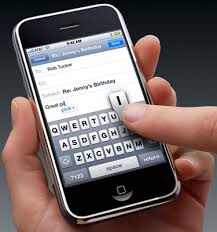
Today, many people are entering medical school with an Apple iPhone, BlackBerry, or other smartphone. Students may not be aware that their school has a PDA/smartphone requirement. I wonder how these requirements have evolved over the past several years. In the past, you had to record procedures and patient encounters on your PDA. Now, I’d have to think that most of these forms are web-based. If that’s the case, then you wouldn’t technically need a smartphone because you’d simply need to have access to a web browser. However, maybe some schools still have native applications that must reside on a PDA/smartphone. If that’s the case, then you’ll need to make sure that you have a smartphone that meets those system requirements.
Thursday, May 21, 2009
How Do You Calculate GFR?
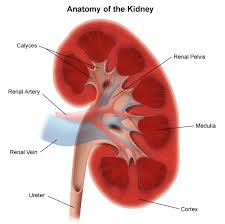
GFR = Glomerular Fitration Rate
It's an indication of how your kidneys are functioning. In medical school, we learned all sorts of formulas to calculate the GFR. Now with medical smartphones and PDAs, we can simply punch in the numbers and get an estimated GFR very easily.
The CKD-EPI (Chronic Kidney Disease Epidemiology Collaboration) has proposed a new equation to calculate GFR and they published this in the Annals of Internal Medicine. Titled, "A New Equation to Estimate Glomerular Filtration Rate," this article outlines how the CKD-EPI equation performed better than the Modification of Diet in Renal Disease Study (MDRD) equation, especially at higher GFR, with less bias, improved precision, and greater accuracy. Will this replace the Cockcroft-Gault Calculator?
Subscribe to:
Posts (Atom)