Keryx Receives FDA Fast Track Designation for KRX-0401 (Perifosine) for the Treatment of Refractory Advanced Colorectal Cancer
NEW YORK, April 5, 2010 /PRNewswire via COMTEX/ --Keryx Biopharmaceuticals, Inc. (Nasdaq: KERX) today announced that the U.S. Food and Drug Administration (FDA) has granted Fast Track designation for KRX-0401 (perifosine), the Company's novel, potentially first-in-class, oral anti-cancer agent that inhibits Akt activation in the phosphoinositide 3-kinase (PI3K) pathway, for the treatment of refractory advanced colorectal cancer.
The Fast Track program of the FDA is designed to facilitate the development and expedite the review of new drugs that are intended to treat serious or life-threatening conditions and that demonstrate the potential to address unmet medical needs. Fast Track designated drugs ordinarily qualify for priority review, thereby expediting the FDA review process.

Showing posts with label colorectcal cancer. Show all posts
Showing posts with label colorectcal cancer. Show all posts
Monday, April 5, 2010


Sunday, May 24, 2009
Novel Cancer Biomarkers, Oncogenes, and Targeted Therapies
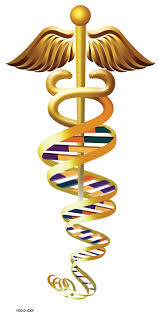
Since I graduated from medical school (many years ago), we have discovered so many new cancer biomarkers and oncogenes. The world of genomics has really taken off! As I think about the future of medicine, I often wonder about how many more biomarkers and oncogenes we will discover. How many new drugs will get developed to specifically target the overexpression of specific oncogenes? Human genetics and molecular biology are becoming more fascinating topics because we now have the ability to engineer drugs that target specific genes and gene products.
Here are a few examples of some of the newer areas of cancer research:
- DNA Methylation Biomarker, Septin 9, (Colorectal Cancer)
- Non-codingRNA (microRNA)
- Metabolomics-derived Biochemical Markers (Prostate Cancer)
Speaking of biologic drugs, I still remember when the first tyrosine kinase inhibitor (TKI) came out. Remember when Gleevec (imatinib) came out? TKIs have now evolved into agents that target multiple different tyrosine kinase pathways and even inhibit EGFR (epidermal growth factor receptor). We now have nilotinib (Tasigna), dasatinib (Sprycel), erlotinib (Tarceva), gefitinib (Iressa), and several more coming. How do medical students keep up with all these drugs? Students today are even learning about new compounds like histone deacetylase inhibitors (HDAC inhibitors or HDIs). We've certainly come a long way in the world of cancer biomarkers, oncogenes, and targeted therapies. What will the future look like as we learn how to target these biomarkers and oncogenes? Image source:
Subscribe to:
Posts (Atom)