Saturday, July 11, 2009

Medical credit cards or medical debt?


More consumers are charging their medical bills on their credit cards. Good idea or bad? According to CNN/Money.com,
Consumer advocates warn that this is a dangerous trend, but industry watchers see a multi-billion dollar opportunity for lenders to offer specialized "medical" credit cards..."Now with high unemployment, consumers have to reach into their pockets even more to fund their health care."
Read the CNN story here. We spend $294 billion on annual out-of-pocket medical costs. McKinsey Consulting expects that $150 billion worth of health care expenses will go on credit cards by 2015. As more moderate-to-low income consumers pay their bills with plastic, they may dig themselves deeper into debt during this economic recession. Then what? Hopefully more medical providers will be willing to provide economic-hardship discounts to patients who are truly in financially in need. Clinics offering free medical services may get bombarded and they may need additional volunteers and other helpers. If you're a medical professional, are you willing to volunteer and/or offer discounts for your healthcare services?

CNN's Sanjay Gupta: Xanax is highly addictive

Xanax (alprazolam) is a DEA controlled substance because it's highly addictive.

National Environmental Public Health Tracking Network


The CDC (Centers for Disease Control and Prevention) has recently launched a new website: the National Environmental Public Health Tracking Network.
Environmental public health tracking is a type of surveillance. It is a way of incorporating data for analysis and reporting. CDC's National Environmental Public Health Tracking Network is a website that brings together data concerning some health and environmental problems. The goal of this network is to provide information to help improve where we live, work, and play. The Tracking Network is part of CDC's National Environmental Public Tracking Program.
The Tracking Network provides information about the following types of data:
  • Health effect data: Data about health conditions and diseases, such as asthma and birth defects.
  • Environmental hazard data: Data about chemicals or other substances such as carbon monoxide and air pollution in the environment.
  • Exposure data: Data about the amount of a chemical in a person's body, such as lead in blood.
  • Other data: Data that helps us learn about relationships between exposures and health effects. For example, information about age, sex, race, and behavior or lifestyle choices that may help us understand why a person has a particular health problem.
Sounds quite interesting, doesn't it? I gained a renewed sense of appreciation regarding environmental health when I took courses for my Master of Public Health (MPH) degree. As residents on this earth, we have the responsibility to care for our planet and to ensure that resources are not wasted. Exposure to toxins can lead to detrimental health effects and we can control much of that type of exposure by doing our part.

10 Xanax pills a night?

How does 10 Xanax pills a night sound? Not too bad if you're down from 30-40 pills.

Electronic stethoscopes


In the future, will all the doctors use electronic stethoscopes? Have you ever tried an electronic stethoscope? They're amazing! Technology has made it possible to enhance certain sounds and to really improve auscultation. My wife and I both have stethoscopes made by 3M Littmann. They aren't electronic - just the old fashioned acoustic-style models that are light and reliable. I'd love to have an electronic stethoscope but they're still very expensive!

If you're a medical student or resident, you may find that you can learn so much more by using an electronic stethoscope. Are they worth the price premium? Maybe if you're a cardiologist. Or, perhaps you actually plan to use that stethoscope all the time. Because we live in an era where diagnostic imaging is so readily available, we're all losing our physical exam skills. Someday, we may hardly use a stethoscope because we'll have so many other bedside tools available at our disposal. Forget about percussing the chest! Just grab an ultrasound to check for fluid. Need to check for a consolidation? Grab a quickie X-Ray/CT that's built into the bed. All you have to do is step out for a few seconds. Auscultating the heart? No need! Grab that 3D color echo and you'll have all the data you need.

As technology improves medical care, will stethoscopes become a thing of the past?

Friday, July 10, 2009

FDA finally approves Effient (prasugrel)


The FDA has finally approved Effient (prasugrel), a thienopyridine that is similar to Plavix (clopidogrel). In fact, prasugrel has been compared to clopidogrel. The TRITON-TIMI 38 study (comparing prasugrel against clopidogrel) was published in the New England Journal of Medicine (NEJM) back in November 2007! That's not a typo. 2007. The FDA wanted more safety data (which is why they launched the TRILOGY ACS study). I guess the FDA got what they needed. Here are the details straight from the FDA (with a few of my comments):

FDA Approves Effient to Reduce the Risk of Heart Attack in Angioplasty Patients
The U.S. Food and Drug Administration has approved the blood-thinning drug Effient tablets (prasugrel) to reduce the risk of blood clots from forming in patients who undergo angioplasty, a common procedure to unblock a clogged coronary artery. (it's about time, isn't it? The TRITON-TIMI 38 study came out in November, 2007! OK, you wanted more safety data because of bleeding. Fine.)

During an angioplasty, a balloon is used to open the artery that has been narrowed by atherosclerotic plaque. Often, a tiny wire mesh scaffold (stent) is inserted into the blood vessel to help keep the artery open after the procedure. Platelets in the blood can clump around the procedure site, causing clots that can lead to heart attack, stroke, and death.

Effient (prasugrel) was studied in a 13,608-patient trial (this is the TRITON-TIMI 38 study) comparing it to the blood-thinning drug, Plavix (clopidogrel), in patients with a threatened heart attack or an actual heart attack who were about to undergo angioplasty.

The fraction of patients who had subsequent non-fatal heart attacks was reduced from 9.1 percent in patients who received Plavix to 7.0 percent in patients who received Effient.While the numbers of deaths and strokes were similar with both drugs, patients with a history of stroke were more likely to have another stroke while taking Effient. In addition, there was a greater risk of significant, sometimes fatal bleeding seen in patients who took Effient. (So, Effient may be more effective than Plavix in certain patients, but it also appears to have a higher risk for bleeding)

“Effient offers physicians an alternative treatment for preventing dangerous blood clots from forming and causing a heart attack or stroke during or after an angioplasty procedure,” said John Jenkins, M.D., director of the Office of New Drugs, in the FDA’s Center for Drug Evaluation and Research.“Physicians must carefully weigh the potential benefits and risks of Effient as they decide which patients should receive the drug.” (in other words, doctors now have to choose between Plavix vs. Effient. How are they to make this decision? Bleeding risk? Anti-platelet resistance?)

The drug’s labeling will include a boxed warning alerting physicians that the drug can cause significant, sometimes fatal, bleeding. The drug should not be used in patients with active pathological bleeding, a history of mini-strokes (transient ischemic attacks) or stroke, or urgent need for surgery, including coronary artery bypass graft surgery. (we all know that blood thinners can cause serious bleeding, so this is plain common sense)
So, Effient is an alternative to Plavix. Now, the big question now is: who should get Effient and who should get Plavix? If you need a thienopyridine, which would you prefer? I'm not going to get started about anti-platelet resistance on this blog post.
  • Effient is manufactured by Eli Lilly and Company of Indianapolis, in partnership with Tokyo-based Daiichi Sankyo Ltd.
  • Plavix is marketed by a sanofi-aventis U.S. LLC, Bristol-Myers Squibb/Sanofi Pharmaceuticals Partnership.
There are many other acute coronary syndrome (ACS) drugs on the horizon, including thrombin receptor antagonists (TRAs) like SCH 530348 and novel anti-platelet drugs like cangrelor and AZD6104. I wonder if (or when) we'll see these new agents get approved.

Concept of "overweight" may be relative


Although we have tools like body mass index (BMI) calculators, most consumers probably don't rely on those to assess their body. According to a story on CNN titled, "As nation gains, 'overweight' is relative":
Research shows that, when it comes to self-perception, the concept of "overweight" may be relative... people's perceptions of overweight have shifted, and "normal" is now heavier than it used to be.
If you look at the NHANES (National Health and Nutrition Examination Surveys) data from 1988-1994 and compare that data with 1999-2004, you'll see that weight misperception based on BMI is decreasing among women but staying roughly the same for men. This means that women with normal BMIs from 1999-2004 were less likely to say they're overweight compared to women from 1988-1994. If you have a normal BMI, you're probably not overweight. There may be some exceptions to that rule, but I'm not going to get into that right now.

So, we know that the BMI of the U.S. population has been increasing over time. Based on the NHANES data comparison, it appears that people are getting used to being overweight and many people with high BMIs may not consider themselves to be overweight. So, are attitudes about weight shifting? Or, are people with normal BMIs feeling more "normal" as they see more people with elevated BMIs? To read the CNN story, click here.

Did a computer virus cause an EMR data breach in Canada?


I've been told that clinicians in Canada refer to electronic health records (EHRs) primarily as electronic medical records or EMRs. Here in the U.S., some people differentiate among EHR vs. EMR while others use them synonymously. I'm not going to get into that debate right now.

So, did a computer virus cause a breach in EHR (or EMR if you prefer) data in Canada? According to Healthcare IT News:
"Officials are saying that a virus is to blame for compromising thousands of patient medical records at Alberta Health Services. The virus is said to be a new variant of a Trojan horse program called Coreflood, which is designed to steal data from an infected computer and send it to a server controlled by a hacker. Coreflood captures passwords and data the user of the computer accesses."
If you're using an EHR, I hope you have some robust anti-virus protection on your systems. It's more important to ensure that your software is constantly updating so that you're protected against the latest threats. If your virus database is outdated, then you're not protected. Of course, it also takes some common sense to ensure that you don't open attachments or e-mails that appear questionable at best.

To find some practical computing tips, make sure to visit: http://www.mobilehealthcomputing.com/

Are DTC ads losing their effectiveness?


We live in an era where we're surrounded by direct-to-consumer (DTC) ads about pharmaceutical products. We know that marketing works, but how effective are these DTC ads? According to Rodale's annual Consumer Reaction to DTC Advertising of Prescription Drugs survey, DTC ads may be losing their effectiveness. The telephone survey of 1,501 US adults found that the number of people saying a DTC ad prompted them to seek information about a condition declined 5 points from last year to 29%. Also, 30% (down 7 points over last year) of consumers indicated that they sought information about a drug they were taking after seeing an ad. What's the point of looking at a drug ad if they're already taking the drug, right?

The bottom line is that only 28% said they talked to a healthcare provider about a drug they saw or heard advertised. That's down from last year's 40%. Among those who looked online for drug information, 27% had read something on a health-related blog post.

So among the various forms of DTC advertising, which method works most effectively? Most people probably encounter ads through several modalities: print, online, TV, radio, etc. We're all bombarded with ads. Are we simply getting better at tuning them out?

Everyone wants to learn about vitiligo


All of a sudden, search engines like Google and Yahoo saw a surge in people searching for "vitiligo." Why? You haven't been watching the news, have you? So, let me give you my thoughts about vitiligo. Vitiligo appears to be an autoimmune process directed against melanocytes. These melanocytes provide pigmentation for your skin. Destroy those melanocytes and you're left with no pigment.

Here are some interesting facts about vitiligo:
  • Vitiligo is a component of the polyglandular autoimmune syndrome type II (which includes autoimmune thyroid disease, type 1 diabetes mellitus, primary adrenal insufficiency, and hypopituitarism.
  • Vitiligo can occur in association with autoimmune hepatitis, alopecia areata, and pernicious anemia.
  • Many people with vitiligo have no family history of vitiligo nor a history of other autoimmune diseases
Given all our recent advances in medical technology, I wonder what type of treatments or cures we'll eventually find for vitiligo. Gene therapy?

Run a half-marathon and help a child through the Fresh Air Fund


When I was a student at MIT, I ran the Boston marathon as a bandit (unofficial, non-qualified runner). I wasn't a runner. I just wanted to give it a try and I finished it in 4 hours. "Heartbreak Hill" was brutal. If you enjoy running, perhaps you'd consider running the NYC half-marathon next month. It's a relatively flat run (so you won't have to worry about a heartbreak hill experience). You can help children while you're at it. The Fresh Air Fund is looking for runners and sponsors to join the Fresh Air Fund-Racers team for the NYC Half-Marathon on August 16th. http://freshair.org/racers

Last summer's NYC Half-Marathon was a huge success and the Fresh Air Fund-Racers raised more than $125,000.
Since 1877, The Fresh Air Fund, a not-for-profit agency, has provided free summer experiences in the country to more than 1.7 million New York City children from disadvantaged communities. Each year, thousands of children visit volunteer host families in 13 states and Canada through the Friendly Town Program or attend Fresh Air Fund camps.
The Fresh Air Fund is also still in need of Friendly Town hosts for next month. Host families open their hearts and home to a NYC child who would not otherwise have the opportunity to escape the hot, crowded city streets.

To learn more about the Fresh Air Fund, visit: http://www.freshair.org
You can also follow the Fresh Air Fund on Twitter @FreshAirFund

Thursday, July 9, 2009

Eat fewer calories to live a longer life?


Some people want to live forever, don't they? Would you be willing to eat less so that you can live longer? I suppose it depends on how much less, right? I could never give up chocolate or ice cream. Speaking of those things, hang on - I'll be right back.

OK, I'm back now and I'm stuffed! So CNN has an interesting story about titled, "Fewer calories equals a longer life -- At least in monkeys"

Here are the story highlights:
  • Monkey study: Cutting daily calories by 30 percent slows aging process
  • Study shows effects of calorie restriction in primates closely related to humans
  • Similar results in mice, worms, and flies: longer, healthier lives
  • Calorie Restriction Society had 2,000 (human) members in 2007
Well, I'm not a monkey, so I'm not sure how this study applies to me. I don't think I'll be joining the Calorie Restriction Society just yet, but I'll keep my eyes open for additional studies on this interesting topic. I just hope this type of story doesn't give fuel for people with anorexia to continue their behavior. Want to read the CNN story? Click here.

Hospital infections still killing thousands each year


It constantly amazes me when I meet people who want to be hospitalized for something minor. So many patients fail to realize how dangerous the hospital can be. Not only are you at risk for developing a blood clot (deep vein thrombosis or DVT) and dying from it (fatal pulmonary embolism or PE), but you're at very high risk for infection. These hospital-acquired or nosocomial infections are some of the worst types of infections out there!

There's a CNN story about hospital infections and here are the highlights:
  • Every year, hospital-acquired infections sicken 1.7 million, kill 99,000 in U.S.
  • They add more than $28 billion to health care costs annually
  • Small changes -- using a checklist and brushing patients' teeth -- can lower rates
  • Expert: Attitude is slowly shifting away from accepting infections as inevitable
So, do you enjoy being in the hospital or are you the type who tends to leave against medical advice (AMA)? To read the CNN story, click here.

Sermo's founder Dr. Daniel Palestrant on video

Here's a video of Dr. Daniel Palestrant, Founder and CEO of Sermo (which is currently at war with the AMA). Sorry, but the video isn't about the battle with the AMA. Instead, it's about how Humantific has helped Sermo and I thought it was interesting, so I wanted to share it.

Arzerra (ofatumumab) appears promising for CLL


Arzerra (ofatumumab) appears promising for chronic lymphocytic leukemia (CLL). Ofatumumab (formerly known as HuMax-CD20) is a targeted therapy. It is actually a human monoclonal antibody that targets a distinct antibody binding site (the small loop epitope) of the CD20 molecule on the cell membrane of B cells. It is currently under development for the treatment of CLL and has also shown potential in treating follicular non-Hodgkin’s lymphoma, diffuse large B cell lymphoma, rheumatoid arthritis and relapsing remitting multiple sclerosis. Is it available yet? No. The FDA is currently still reviewing this biologic agent. Here's a snippet from the June GSK press release:
GlaxoSmithKline and Genmab A/S today announced that the United States Food and Drug Administration (FDA) informed the companies that the agency has extended the action date for the ofatumumab BLA application by three months.
The FDA has been slow recently, don't you think? Better safe than sorry? Or, is the FDA being overly-cautious? We don't want to see another Raptiva incident again, do we? Raptiva was voluntarily withdrawn in April by Genentech because of an increased risk of progressive multifocal leukoencephalopathy (PML), a rare and usually fatal disease of the central nervous system. It's difficult to find such rare adverse effects until the drug gets used by the public, so I don't think anyone is faulting either the FDA or Genentech.

Well, let's see what happens with ofatumumab.

Medicare e-Prescribing Incentive Program: Fax Requirements


Do you fax prescriptions to the pharmacy and call that e-prescribing?

Here's another Q&A about the Medicare e-Prescribing Incentive Program: "What are the fax requirements for the Electronic Prescribing Incentive Program?"
Answer: Prescriptions must be sent electronically via an e-prescribing system that meets the criteria for a qualified system. If the receiving network at the pharmacy converts an electronic prescription transmittal into a fax because the pharmacy cannot receive electronic transmittals, this counts as e-prescribing. If the eligible professional's (EP's) e-prescribing system is only capable of sending a fax directly to the pharmacy, the EP's system is not a qualified e-prescribing system.
So, if your e-prescribing solution isn't capable of sending prescriptions electronically (other than via fax), it seems like it would be a good time to look for some new options if you want to go after the Medicare incentives.

Most Wired Hospitals and Health Systems


The Most Wired Survey and Benchmarking study, conducted annually by Hospitals and Health Networks, has named the "100 Most Wired Hospitals and Health Systems" for 2009. The magazine also released lists of the "25 Most Improved," the "25 Most Wireless" and the "25 Most Wired - Small and Rural" hospitals. I'm sure we'll see some significant improvements over the next several years as more hospitals adopt health information technology (health IT) solutions and integrate them into the clinical workflow.

Here's what you can expect if we pick a state (I'll pick Texas as an example since I know many doctors who work there):
  • Most Wired: Children's Medical Center of Dallas
  • Most Improved: Knapp Medical Center
  • Most Wired: Memorial Hermann Healthcare System
  • Most Wired: Texas Health Resources
  • Most Wired: The Methodist Hospital
If you're interested in the full list of results, let me point you to Healthcare IT News where they have a long list of recognized hospitals throughout the U.S.

Twitter as a drug adverse effect reporting system?


If enough healthcare professionals end up using Twitter, could it become a drug adverse effect reporting system? Most healthcare professionals use e-mail. Most browse the web. Most have mobile phones or smartphones. What's the most effective way to reach them about a drug recall, a drug alert, or some other type of public health message?

In my opinion, such campaigns must use a multi-modal approach. Use Twitter, e-mail, SMS, calls, and even letters. However, we must also keep in mind that the most effective method is to use something that leverages a viral-type of spreading mechanism.

If you've never used Twitter, you may not know how people can "spread" your Tweet by re-tweeting (RT) to others. Twitter is instant. People are Tweeting on their laptop, smartphone, or even on a standard mobile phone. When your message is popular and it gets retweeted, it can potentially spread like a virus.

So, that's probably why the FDA, CDC, and several other public health organizations are leveraging the power of Twitter. @CDCemergency (Verified Account) already has almost 500,000 followers. @CDCflu has almost 10,000 followers. CNN's Sanjay Gupta (@SanjayGuptaCNN) currently has almost 400,000 followers. My suggestion to them is to follow more of their followers. This way, the Twitter follow limit won't hinder people from following them.

Wednesday, July 8, 2009

Ethicon Endo-Surgery on YouTube

If you're into medical device marketing, you'll like this story. J&J's Ethicon Endo-Surgery is using YouTube as a direct-to-consumer (DTC) outreach strategy for its Realize adjustable gastric band. They're also launching the “Realize my Success” online clinical support tool for patients. Will the combination of YouTube marketing plus an online support tool help patients lose weight?

Acne Therapy: Yesterday vs. Today


When you were a teenager, did you have problems with acne? In the medical world, it's known as "acne vulgaris." Vulgaris means "common" in Latin. Acne is very common, isn't it? Acne vulgaris affects more than 17 million people in the U.S.. This condition accounts for over 10 percent of all patient encounters with primary care providers and over 4.8 million patient visits per year.

When I was a teen, I knew many people who had problems with acne and they didn't have the option to take Accutane (Isotretinoin) or Retin-A Micro (Tretinoin Gel) back then. Those types of Acne Treatments simply didn't exist. Instead, people used all sorts of over-the-counter washes and products that smelled awful (probably because of the benzoyl peroxide). Fortunately, I wasn't one of them, but now that I'm older, I often wonder: What are the most effective acne treatments? Are certain Acne Products better than others? Even though I'm not a dermatologist, I'm sure they're not all the same.

Serious acne can be very difficult to treat. It can also leave scars. Have you ever tried Resurgence? Perhaps you've seen Joan Lunden describe how her "skin looks better now than it has in 10 years." She's 57 years old, but she doesn't look 57, does she? I wonder if she also uses Acne Body Wash. I'll have to ask her the next time I see her.

So what are the best acne therapies? Systemic therapies can be associated with serious adverse effects. Topical agents work well, but be careful if you're pregnant. Oral isotretinoin and topical tazarotene must never be given to pregnant women. And then you have other topical agents that combine salicylic acid, azelaic acid, and glycolic acid. Maybe we should all go for high-intensity narrow-band blue light therapy called ClearLight. What do you think?

Having a family history of depression


According to a recent study published in the Archives of General Psychiatry, if you have a strong family history of depression, then you may be at higher risk for depression. CNN highlights that:
"It turns out that the more family members you have who have been found to have major depression, anxiety disorders, or drug or alcohol dependence, the greater the chances that you will too, according to Terrie E. Moffitt, Ph.D., a professor of psychology and neuroscience at Duke University's Institute for Genome Sciences & Policy."
So, the more relatives you have with major depression, anxiety disorder, or alcohol or drug dependence, the more likely you may be to have that condition too. Read the CNN story here.

Depression can be treated and we've seen some very effective medications emerge over the past few decades. We've also seen a persistent decline in depression therapy after the FDA warnings. On that topic, here's another interesting bit on the history of these warnings from the Archives of General Psychiatry:
"In October 2003 the Food and Drug Administration (FDA) issued a Public Health Advisory about the risk of suicidality for pediatric patients taking antidepressants; a boxed warning, package insert, and medication guide were implemented in February 2005. The warning was extended to young adults aged 18 to 24 years in May 2007. Immediately following the 2003 advisory, unintended declines in case finding and non–selective serotonin reuptake inhibitor substitute treatment were shown for pediatric patients, and spillover effects were seen in adult patients, who were not targeted by the warnings."
As expected, "Primary care providers continued significant reductions in new diagnoses of depression (44% lower for pediatric, 37% lower for young adults, 29% for adults)." So, now that we have all these warnings attached to drugs, what can we do to ensure that patients are appropriately diagnosed and treated?

FDA wants additional warnings for propoxyphene


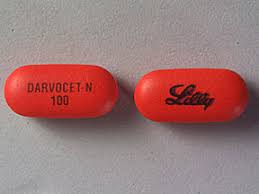
It seems like the FDA wants to put warnings on everything. The drug du jour seems to be propoxyphene. It's another pain medication used in Darvon and Darvocet. CNN has a short segment quoting Dr. Janet Woodcock, director of the food and drug agency's Center for Drug Evaluation and Research.
"Physicians need to be aware of the risk of overdose when prescribing these drugs... They should carefully review patient histories and make appropriate treatment decisions based on the warnings and directions stated within the drug's label."
When will all these warnings end? Maybe after every single drug has some type of serious warning associated with it. Darvon and Darvocet are made by Xanodyne Pharmaceuticals Inc. of Newport, Kentucky. Read the CNN story here.

Physicians and medical students: please help a PhD candidate with a brief survey


If you're a physician, resident, or medical student, please help a PhD candidate student by completing a brief survey on Electronic Medical Records (EMR). The purpose of the questionnaire is to identify and analyze the medical profession’s perception of the EMR process and to ascertain how its generalization may impact health care providers and their patients. It's a very short survey and I know that this student will really appreciate your input.

To access the survey, visit this link: http://www.emrsurvey.com

I know how difficult it can be to conduct research. You probably do too. That's why I'm trying to help this individual and I hope you will as well.

Things are getting ugly between Sermo and the AMA


Wow, things are starting to get quite nasty here. The marriage has turned into an ugly divorce. When Sermo announced its partnership with the AMA, I was optimistic. However, they have had an ugly split recently and they're now at war.

I just got an e-mail from Sermo's founder Dr. Daniel Palestrant. The subject line reads: "From the Founder: CPT - Why physicians always get screwed, thanks AMA"

He highlights the results of a recent survey that included over 4,000 US physicians and it generated over 700 comments on Sermo. The results are quite striking:
  • 75% of physicians surveyed are not members of the AMA.
  • 89% of physicians claim, "The AMA does not speak for me."
  • 91% of physicians surveyed do not believe the AMA accurately reflects their opinion as physicians.
Now, the focus on Sermo is shifting towards Current Procedure Terminology (CPT) coding. Here's some background on CPT codes:
For most physicians, Current Procedure Terminology or CPT codes have become a defining aspect of how we must practice medicine. They have become the "currency" of healthcare, mandating all manner of payments to physicians from the most complex surgical procedures to routine office visits. In the process, the CPT coding system has turned into an incredibly complex system of codes, modifiers, and exceptions. Add to that the RVU formulas, and it is no wonder that most physicians are drowning in paperwork.
So, now it's time to consider some questions related to CPT codes:
  • Who publishes these CPT codes?
  • Is it right that the AMA makes more money from selling licensing for CPT codes than it does from membership dues?
  • Should our government continue to support the AMA’s monopoly on CPT codes?
  • Who should manage CPT codes?
If you're a U.S. physician, have you joined Sermo? Are you a member of the AMA?

Elotuzumab: Anti-CS1 Antibody for Multiple Myeloma


Elotuzumab (also known as HuLuc63) is a humanized monoclonal antibody and is currently being studied for the treatment of multiple myeloma. Which do you think is easier to say: Elotuzumab or HuLuc63? Why do cancer therapies need to have such complicated names?

According to PDL BioPharma:
HuLuc63 is a novel humanized antibody that binds to CS1, a cell surface glycoprotein that is highly expressed on myeloma cells but minimally expressed on normal cells. HuLuc63 may induce anti-tumor effects through antibody-dependent cellular cytotoxicity activity on myeloma cells. Recent preclinical data highlight in vitro and in vivo studies of HuLuc63 and support advancement into the clinic. Developed by PDL BioPharma researchers, HuLuc63 is presently under phase I clinical investigation in relapsed multiple myeloma to evaluate the safety of this novel antibody in this important hematologic malignancy.
Last year, the Multiple Myeloma Research Consortium (MMRC) announced the initiation of a multi-center, open-label, dose-escalation Phase Ib study that includes a three-drug combination study of elotuzumab, plus REVLIMID (lenalidomide), plus dexamethasone for the treatment of multiple myeloma in patients who are experiencing a relapse. Emory University's Winship Cancer Institute, Washington University, and St. Vincent's Comprehensive Cancer Center of Saint Vincent Catholic Medical Centers of New York will evaluate the maximum tolerated dose of elotuzumab in combination with label dosing of lenalidomide and dexamethasone.

Targeted therapies are becoming the way of the future in the world of oncology. It's quite exciting to see how these agents act on specific molecular markers such as glycoprotein receptors. Medical students who have a strong interest in oncology should make sure they're really paying attention when they take their molecular biology courses (course 7.28 for you MIT undergraduate students).

Bristol-Myers Squibb (BMS) and PDL BioPharma announced an agreement for the global development and commercialization of elotuzumab (HuLuc63).

Who should have an implantable radio frequency identification (RFID) chip?


Have you ever considered this question? Who should have an implantable radio frequency identification (RFID) chip? What about those people who come to the ER, unconscious with no identification? They get labeled: John Doe or Jane Doe. If you work in an urban hospital, you know what I'm talking about.

What about individuals with dementia who are prone to wandering? What about your toddler child who is prone to wandering?

The VeriChip Corporation, a Florida-based provider of radio frequency identification (RFID) systems for healthcare, has a small chip that can be easily implanted. The VeriMed Health Link patient identification system includes an implantable microchip, the VeriChip. The thing is so small that you may not even know that it's in you. Some people feel that the chip should be implanted in certain individuals who are at risk for wandering. Others may even think that convicted sex offenders should be permanently tagged with a GPS-tracking chip.

The state of Pennsylvania recently passed a bill that would ban the forced implantation of identification devices in humans. The bill was introduced by Democratic State Rep. Babette Josephs and was unanimously passed by the Pennsylvania House of Representatives on June 24. It will now go to the Senate for consideration. Do you agree that the privacy risks that could occur as a result of implanting such a device in any human, regardless of age or condition, outweigh any possible benefits?

Scott R. Silverman, chairman of VeriChip, says, "For years, we, as a company, have enforced a strict privacy policy that starts with the voluntary use of our VeriMed Health Link patient identification system, which includes our implantable microchip, the VeriChip. The primary application of our VeriMed Health Link patient identification system and the VeriChip microchip is to identify high-risk patients and their medical records in an emergency or clinical situation."

Sounds like we're getting into some serious ethical issues if we try to force implantation in anyone. At what point does an individual lose enough autonomy for these types of privacy-related decisions? If an elder has severe dementia, medical decisions are generally made by someone who is designated as the power of attorney. What if a non-competent adult lacks a power of attorney? Who then gets to decide about an implantable microchip?

Some of the Top 10 Health Experts on Twitter

This is a guest post written by: Mary Ward. If you're interested in submitting a guest post, please contact me.

As we all try to live healthier lives, we turn to some of the health experts for the very best advice. Following some of these health experts on Twitter can make for some interesting advice and real life experiences. Some of the top 10 health experts on Twitter have founded their careers on health, and some are a bit less traditional but nonetheless have excellent advice and tips that anyone can follow along with.

Twitter Health Experts In The Know

1. Pond Berry (@pondberry) – This is an excellent Twitter site to follow if you want to understand the science and the reasoning behind things. Delving into various health topics, you can find some interesting posts and fellow medical experts here. The focus for this Twitter site is a sound body and sound mind and how the two work together. You can learn a lot by following this health expert on Twitter.

2. Idea Fit (@ideafit) – This Twitter site serves as a large and diverse organization of health and fitness professionals, so the posts are compelling and though provoking. You can weigh in on the health topic at hand or sit back and enjoy the interaction amongst professionals in the field. This is also a great Twitter site to follow if you hope to connect with other health experts, so it serves as a great networking tool.

3. Lori Shemek, PhD (@dlsHealthWorks) – This is an excellent Twitter site to follow as this health professional focuses her expertise on educating others. Her focus is on how changing one’s health can mean immediate changes to one’s life and she works with people to get them to where they want to be. She has some great followers which makes for some great health postings.

4. Adrian Robles (@adriancpt1) – This certified trainer offers some of the best advice and tips on health making him an excellent expert to follow. His focus is primarily on fitness as that is what he’s founded his career on and he has some excellent insight to offer to followers.

5. De West (@dewestyoga) – This is a rather down to earth health expert as she speaks of her everyday life just as much as she speaks of her profession. She is a yoga instructor by trade and has some excellent tips and tricks of the trade. She owns her own studio and focuses much of her posts on healthy living, but also shares her experiences as a mother and an individual living day by day.

6. Darren Garland (@DFSNJ) – This health expert focuses his attention on his life as a professional trainer and how he has helped people to change their lives through their workouts. He offers various workout tips, routines, and chronicles his journey of his facility where he trains people and changes their lives forever.

7. Tracy Langford (@sVerdad)–This is an interesting Twitter site to follow because there is a real approach to fitness. Various workouts are chronicled in full depth to show how one can make it through each routine. Using inner strength as the focus, this makes for an interesting fitness expert to keep your eye on.

8. Paul L Smith (@paul_smith_atx) – While he is a health expert, he’s not your traditional type as he shares as much about his everyday life as a father, husband, and principal as he does his health views. However as he has become a beach body coach through his own experiences, it makes him an intriguing health expert to follow with a real life view.

9. Jake Nelson (@befitdepot) – Sometimes following the educational view along with the real life view makes for some interesting posts, and that’s what you will find here. He focuses his health expertise as a personal trainer and nutritional consultant in a very digestible point of view that anyone can relate to.

10. Dr. Joseph Kim (@DrJosephKim) – A list with the top ten health experts to follow on Twitter wouldn’t be complete without our very own Dr. Joseph Kim. Dr. Kim is not only a physician, but he’s also an MIT engineer as well. He not only can provide a firsthand perspective of the medical world and up and coming treatments, but he also provides insight into technology and links the two up through current events. He is a fascinating health expert to follow as he keeps up with everything going on in the world and finds a way to marry together medicine and technology in a unique perspective, and with a unique way of communicating. He runs three other blogs in addition to this one on Medicine and Technology. You can also find some intriguing dialogues between Dr. Kim and other health experts making him a definite one to follow, ranking high on the top ten list.

Mary Ward is a freelance author and writes about medical career topics, such as how to choose an online ultrasound school, tips for job advancement, and more.

Tuesday, July 7, 2009

CMS proposes 21.5% reduction in Medicare payments


Are we going forwards or backwards? CMS is proposing reductions on physician reimbursement for Medicare patients. This may impact over 1 million physicians and nonphysician practitioners who are paid under the Medicare Physician Fee Schedule (MPFS). For 2010, CMS is proposing to include data about physicians’ practice costs from a new survey, the Physician Practice Information Survey (PPIS), designed and conducted by the American Medical Association (AMA). The Medicare law requires CMS to adjust the MPFS payment rates annually based on an update formula which includes application of the Sustainable Growth Rate or SGR that was adopted in the Balanced Budget Act of 1997. This formula has yielded negative updates every year beginning in CY 2002, although CMS was able to take administrative steps to avert a reduction in CY 2003, and Congress has taken a series of legislative actions to prevent reductions in CYs 2004-2009.

Here's the clencher: "Based on current data, CMS is projecting a rate reduction of -21.5 percent for CY 2010."

So, what do you think about that? Will this drive more physicians to move to a cash-only practice? Concierge medicine? Maybe they will stop accepting Medicare.

FDA Approves First Maintenance Drug Therapy for Advanced Lung Cancer


This isn't a new drug, but it's a new indication: "maintenance therapy of advanced or metastatic lung cancer." Alimta was originally approved in 2004 for mesothelioma. Here's the summary straight from the FDA:

The U.S. Food and Drug Administration has approved Alimta (pemetrexed), the first drug available for maintenance therapy of advanced or metastatic lung cancer.

Patients with cancer often receive maintenance therapy to prevent the disease from progressing after their tumor has shrunk or the disease has stabilized in response to chemotherapy. Alimta disrupts metabolic processes that are dependent on the B-vitamin folate, a necessary ingredient for cell replication.

“This drug represents a new approach in the treatment of advanced non-small cell lung cancer,” said Richard Pazdur, M.D., director, Office of Oncology Drug Products in the FDA’s Center for Drug Evaluation and Research. “Typically, patients whose tumors respond to chemotherapy do not receive further treatment after four-to-six chemotherapy cycles. This study demonstrates an advantage in overall survival in certain patients who received Alimta for maintenance therapy.”

Non-small cell lung cancer has several subtypes, including squamous cell, large cell, adenocarcinoma and mixed histology cancers. In a 600-patient clinical trial, people with predominantly squamous cell cancer did not benefit from Alimta. But those with other subtypes of non-small lung cancer survived an average 15.5 months following treatment compared with 10.3 months for patients who received an inactive substance (placebo). All patients in the study received standard medical care.

Reported adverse events included damage to blood cells, fatigue, nausea, loss of appetite, tingling or numbness in the hands and feet, and skin rash.

Alimta initially was approved in 2004 for the treatment of patients with mesothelioma, a cancer frequently related to asbestos exposure. The drug was later approved for the treatment of patients with non-small cell lung cancer whose disease worsened on prior chemotherapy drugs and also as an initial therapy for advanced non-small cell lung cancer.

Alimta is manufactured by Eli Lilly & Co. of Indianapolis.

It's exciting to see advances in cancer treatment that focus on new drugs, biologic agents, and combination approaches. The world of oncology is buzzing with new science and the application of technology such as nanotechnology and targeted molecular therapies. Will we ever discover a cure? I doubt that we'll ever see a magic pill that completely eliminates every type of cancer, but lung cancer is a a highly preventable cancer so hopefully we'll see improved efforts at prevention. The greatest public health impact will be made if we improve our preventive health efforts.

Health IT will be central to the practice of medicine


If you're a healthcare professional, what type of role does health information technology (Health IT, HIT, or HITECH) play in your practice? Do you use an electronic health record (EHR)? Do you have computers in your office/hospital (if you can't imagine not having computers everywhere, try visiting some remote health clinics in Montana and Wyoming). You may have a very old computer and if you're not connected to the Internet, then it really may be a worthless paperweight. I don't know how you'd be reading this if that were the case.

Anyways, with all this talk about healthcare reform, we now see people like Dr. David Blumenthal really pushing for health IT. At the HIT Symposium at MIT, Dr. Blumenthal gave an opening keynote where he shared how health IT will transform healthcare in the U.S. Given that somewhere between $31 billion and $46 billion will be channeled towards health IT, this is a huge amount that will result in more than simple incremental changes. Physicians will be expected to use health IT resources heavily. They must demonstrate meaningful use, otherwise they will not see the incentives that are outlined within the HITECH (health IT) provisions outlined within ARRA (American Recovery and Reinvestment Act).

So, should health IT play a more integral role during medical training?

Monday, July 6, 2009

Search engine keywords for MedicineandTechnology.com


A significant percentage of my visitors come to my site through search engines like Google and Yahoo. Bing is still relatively new, so I don't have much data on that yet. What are people typing to end up here? Here's the list of the top keywords:
  • free emr
  • medicine and technology
  • technology in medicine
  • radon levels
  • hp battery recall joe kim
  • epocrates "blackberry storm"
  • medtronic pacemaker
  • technology and medicine
  • non clinical physician jobs
  • which is quieter: dell latitude xt2 or lenovo thinkpad x200
  • jobs for doctors without residency
  • ckd-epi
  • samsca
  • swallow syncope
  • dr. joseph kim
  • medicine and technology blog
  • blackberry storm medical applications
  • ckd-epi equation
  • e-prescribing
  • jobs for mds without residency
  • lenovo x200 vs dell xt2
  • medicine technology
  • non clinical careers for physicians
  • q1 ultra windows 7
  • uloric gout medicine
  • handbook of medical informatics
I think this list represents content covered in all 4 of my blogs:
Medicine and Technology

Over the last 30 days (the month of June), search engine traffic represented roughly 24% of my site traffic. Before that (the month of May), it represented 17% of visitors.

Is Canada's health system better?


There's an interesting article on CNN titled, "Reality check: Canada's government health care system." According to CNN, the story highlights include the following points:
  • Woman with tumor said wait would have been too long; she got costly U.S. treatment
  • Canadian man with cancer says he was put on fast track for treatment
  • Sen. Mitch McConnell says U.S.-run program would mimic Canada's problems
  • Some doctors who spoke to CNN say McConnell doesn't have facts right on waits
Here's a snippet from the story: "The Senate's top Republican, Mitch McConnell, R-Kentucky, asserted several times on the Senate floor last month that a government-run health insurance option, which President Obama and Democrats want, could lead to a government-controlled health care system like Canada's."

I know many Canadians who have traveled to the U.S. to get an MRI or other type of imaging study. Some travel to the U.S. for surgery. If you can afford the luxuries associated with U.S. healthcare (and even concierge medicine), then why not? Right? What happens to all those patients who are unable to afford the luxuries of such healthcare? At least in Canada, you have some level of healthcare coverage. Here in the U.S., millions of people live without any level of healthcare coverage. Why? Because they're not old enough to qualify for Medicare and they have too much to qualify for Medicaid. These days, so many doctors don't accept Medicaid, so what benefit is that anyways?

What will healthcare look like after we go through major reform? Will we mimic the Canadian system on some level? Many are predicting a tiered healthcare system where a basic, universal plan will be available to everyone, and then those who can afford more will basically get more. Who determines what types of medical tests you deserve? The same person who complains of symptoms such as dyspnea, headache, and a cough may get one type of workup in Canada (few, if any tests) and another totally different battery of tests (necessary or unnecessary) here in the U.S. Why such disparities? Do we live in such a litigious society here in the U.S.? (Don't answer that last question) To read the entire CNN story, click here.

Sunday, July 5, 2009

Q&A with Medicare about e-prescribing incentives


Medicare can be so confusing. I'm not even talking about Part D and the donut hole (yummy, I love donuts). The e-prescribing incentives can get a bit confusing, especially if you were used to the e-prescribing quality measure that was included in the Physician Quality Reporting Initiative (PQRI) before Jan 1, 2009. To provide some clarity on this topic, let me do a bit of a "Q&A" with Medicare about the e-prescribing incentives. All this content is directly from the HHS.gov website.

Here's the first question:
"What requirements/qualifications are needed to successfully participate in the new Electronic Prescribing (e-prescribing) Incentive Program?"
Answer:
To be a successful e-prescriber for the 2009 e-prescribing Incentive Program, an eligible professional must have adopted a qualified e-prescribing system that employs standards adopted by the Secretary for Part D by virtue of the 2003 Medicare Modernization Act (MMA) and is capable of ALL of the following functions:
  • Generating a complete active medication list incorporating electronic data received from applicable pharmacy drug plan(s) if available
  • Selecting medications, printing prescriptions, electronically transmitting prescriptions, and conducting all alerts (defined below)
  • Providing information related to lower cost, therapeutically appropriate alternatives (if any) (the availability of an e-prescribing system to receive tiered formulary information, if available, would meet this requirement for 2009)
  • Providing information on formulary or tiered formulary medications, patient eligibility, and authorization requirements received electronically from the patient's drug plan, if available
Two additional criteria must also be met for the incentive program to be a successful e-prescriber and qualify for the incentive: 1) Medicare charges for the e-prescribing measure codes (delineated in the denominator of the measure specification found here) comprise at least 10% of total Medicare Part B allowed charges; and 2) at least 50% of all Medicare Part B patient encounters (denominator-eligible cases) for the e-prescribing measure must be reported during the 2009 reporting period.
Are you ready for a second Q&A? How about this: I'll try to cover 1 key Q&A topic each day over the next few weeks.

Medicine and Technology: Top posts for last week

Here are the most popular posts from the previous week on MedicineandTechnology.com:
  1. Physician social networking online

  2. Government panel may pull drugs containing acetaminophen

  3. Does your doctor Twitter?

  4. A remedy for health-care costs?

  5. CNN's Sanjay Gupta talks about Michael Jackson's death

  6. Epic MyChart

  7. Jobs for Physicians with No Residency Experience

  8. Medical apps for the Apple iPhone

  9. Misguided health article on CNN about CRP

  10. Tip for medical students, interns, and residents

Should we eliminate combination products that contain acetaminophen?


So many combination products contain acetaminophen. You'll find them in prescription drugs (like Vicodin and Percocet) as well as in many over-the-counter (OTC) cough/cold medicines. For instance, Nyquil has an equivalent dose of 1000 mg of Tylenol (acetaminophen). If someone took Nyquil for a cold and then took some additional Tylenol for a headache, he could have a serious liver problem in a few days from a Tylenol overdose. Many people don't look at the ingredients of cold/cough medicines and they also don't realize that acetaminophen = Tylenol (just a different name).

Now, the FDA panel focused on prescription combination products that contain acetaminophen. Why? Because the data shows that acetaminophen-related overdoses occur mainly with prescription drugs. Maybe that's because some people are taking Vicodin and Percocet for drug-abuse problems and they're more prone to suicidal tendencies. Perhaps some people are "popping pain pills" to relieve intractable pain.

Regardless, I think that if we're going to change combination prescription drugs, then we should also re-evaluate combination OTC products that contain acetaminophen. Otherwise, consumers may get the wrong message. My hope is that we simply improve labeling and public health awareness but that all the products still remain available.