Saturday, June 13, 2009

Healthcare Costs are Choking Small Businesses


It's a sobering reality. Healthcare costs are soaring and it's choking some small businesses. We don't need CNN to know that. In many companies, healthcare costs are rising between 10-20 percent each year! Can you believe those types of numbers! If the average small business covers say 30% of healthcare costs for employees, then that's a significant amount of increase every year.

Here's an interesting snippet from a recent CNN article: "Of the 46 million Americans living without health care, an outsized majority -- about 60 percent -- work for small businesses, according to the nonprofit Employee Benefit Research Institute." Let's hope that healthcare reform plans will help these small businesses. Image source: CNN

Read: Twitter Tips for Medical Bloggers

If you're a medical blogger and you're not using Twitter, then take a look at this post on NonClinicalJobs.com : Twitter Tips for Medical Bloggers

I wrote that post on NonClinicalJobs.com because I see blogging as a type of non-clinical opportunity (especially if you're looking for a low-stress way to earn some supplemental income when you have some spare time). I'm trying to keep all my posts related to blogging tips and Twitter on that site. Have you visited NonClinicalJobs.com yet?

Tablet PCs in Healthcare

Read my post on Mobile Health Computing about this topic: Will the Tablet PC Gain Traction?

Waiting for June 16: Defining Meaningful Use

Everyone in the health IT world is waiting for June 16. That's when the government will define the phrase "meaningful use" that's described in ARRA. Mark your calendars and get ready to see how the Health IT Policy Committee defines this mystical phrase that will determine whether physicians will be penalized or incentivized by their use of electronic health records (EHRs).

Friday, June 12, 2009

Almost 30,000 Confirmed Cases of Swine Flu


CNN is reporting that we have almost 30,000 confirmed cases of swine flu (H1N1) around the world. The World Health Organization (WHO) says that swine flu can't be stopped and that it's a pandemic. H1N1 has already reached over 70 countries and thing are going to get worse this fall and winter when the regular flu season hits. Will we see a safe and effective vaccine hit the market before this happens?

The swine flu pandemic is the first flu pandemic in the 21st century. Things today are very different compared to the Spanish flu pandemic of 1918. Considering the amount of international travel that occurs these days, it's no wonder that swine flu spread so quickly. How will this impact your summer travel plans?

Who Owns the Healthcare Record?

Do you own your healthcare record? If you own your health record, then you should be able to decide where this information goes and who has access to it. How does this change if your healthcare record is electronic? When your healthcare record is on paper, it's easier to conceptualize who has access to it. Try digging up an archived medical chart from the dungeons of a hospital. It may take days to pull up an old chart from a buried box. However, the minute your healthcare record is digital, access becomes immediately available (even if your chart is digitally archived).

The idea of a "virtual" healthcare record may be difficult for some people to understand. Try explaining how e-mail works to an older adult who never uses a computer. The concept of the Internet and cyberspace may be incomprehensible to many individuals. Many people have trouble with concepts like online data storage, server farms, ASP, etc. If you use an EHR that uses an ASP model, how will you answer your patient who asks, "where is my digital health record stored?"

FDA Approves Injectable Ibuprofen

The FDA has approved a new drug! Caldolor is the first injectable form of the common pain medication ibuprofen. Ibuprofen is better known as Advil or Motrin. Caldolor will be available for hospital use only to treat pain and fever. Where do you think the company came up with the name Caldolor?
  • "Cal" is the abbreviation for Calorie, which is the CGS unit of heat energy.
  • In Latin, "dolor" means pain.
Caldolor is manufactured by Cumberland Pharmaceuticals Inc.

HIMSS Virtual Conference Closing Keynote

This HIMSS Virtual Conference is over, but archived sessions are still available as on-demand webinars. I would highly recommend that you view the Closing Keynote Address delivered by Dr. Parker:

Medical Information Technology: Where Have We Been, What Have We Learned, What’s Next?

John Parker, M.D. Senior Vice President, SAIC, is a Partner with Martin, Blanck & Associates, a federal health services consulting firm based in Falls Church, Virginia. As SAIC (Science Applications International Corporation) Senior Vice President with 35 years experience in teaching, practicing, and managing healthcare delivery and major medical research institutions, Dr. Parker supports SAIC’s homeland defense initiatives in the areas of chemical and biological defense, public health, biological threat reduction and bio-surveillance. Dr. Parker was elected to the Engineering, Science and Technology Council and given the distinguished title of SAIC Fellow. He is the Chief Scientist for the Biological Threat Reduction Program, Threat Reduction Support Center (TRSC), DTRA-CTR. Dr. Parker is a permanent member of the National Academy’s Committees for Scientific Communication and National Security (CSCANS), and the Committee on Science, Security and Prosperity (COSSP). He has recently been appointed to the National Biodefense Science Board (NBSB) by Secretary Leavitt, HHS for a possible two terms of three years each. Dr. Parker commanded the Medical Research and Materiel Command (MRMC), which includes the U.S. Army’s Research Institute of Infectious Diseases (USAMRIID), the Institute of Chemical Defense (USAICD), and the Walter Reed Army Institute of Research (WRAIR) from 1998 to 2002. He is an expert in managing institutions that are researching and analyzing offensive and defensive biological warfare as well as responding to their biological contingencies. Dr. Parker has served in critical Medical (Life Science) S&T advisory positions in the Department of Defense and teaches impacts of chemical and biological agents at every university in the National Capital Region.

Are you impressed by Dr. Parker's credentials? Have you been able to keep up with all those acronyms?

Tiny Medical Robot

Watch CNN's Sanjay Gupta as he shows off this tiny robot called the ViRob that could be used for medical applications. Can you imagine having a little robot swimming through your blood vessels? This reminds me of a movie called the Fantastic Voyage.

Should We be Screening for Gestational Diabetes?


According to new guidance the AAFP (American Academy of Family Physicians) has stated that there is insufficient evidence to support routine screening for gestational diabetes mellitus.

The USPSTF (U.S. Preventive Services Task Force) said that until there is better evidence on screening for gestational diabetes, physicians should discuss screening with their patients and make case-by-case decisions. The task force said several groups of women are at increased risk of developing gestational diabetes, such as those who:
  • are obese;
  • are older than 25;
  • have a family history of diabetes;
  • have a history of gestational diabetes; or
  • are Hispanic, Native American, Asian or black.

Thursday, June 11, 2009

US Oncology Launches Oncology-Specific EHR

US Oncology Launches Oncology-Specific EHR to the Open Market. iKnowMed is now available to community-based oncologists. Will this become the dominant EHR among oncologists? US Oncology acquired iKnowMed in 2004.

So what's unique about iKnowMed? One feature is that it leverages technology to help oncologists focus cost effectiveness in community cancer care. After all, biologic agents are very expensive and many patients have trouble paying for their treatment when it involves a combination of chemotherapy plus biologic targeted therapies. iKnowMed also provides oncologists with easy access to US Oncology's Innovent Oncology program so they can gain benefits associated with pay-for-performance (P4P) programs.

10,000 Followers on Twitter!

Thanks to all my followers on Twitter! It's been an amazing past 3 months where I've grown from practically zero to now over 10,000 followers. My Twitter Growth History

Battlefield Extraction-Assist Robot (BEAR)

Have you seen Vecna's Battlefield Extraction-Assist Robot (BEAR)?

Started in 1998 by MIT alumni, and joined by others from Harvard, Stanford, Yale, Princeton, Berkeley, CMU and other top institutions, Vecna Technologies is a unique, self-funded, high-technology company. Daniel A. Theobald is the President and CTO (Chief Technology Officer) of Vecna. Daniel and I were in the same fraternity while we were at MIT. It's so great to see such innovation from MIT graduates.

CNN featured a story last year titled, "New Army Technology Could Save Soldiers' Lives."

WHO has Declared Swine Flu a Global Pandemic

As of today (June 11), the WHO (World Health Organization) has officially declared swine flu to be a global pandemic. Read more at CNN.

We are now at phase 6, the pandemic phase with H1N1. Although swine flu has spread around the world, the key question now lies in the severity of swine flu. This is from the WHO website: "At this time, WHO considers the overall severity of the influenza pandemic to be moderate... The severity of pandemics can change over time and differ by location or population. "

Archived AMA Webinar on Health IT


Free American Recovery and Reinvestment Act (ARRA) webinar series by the AMA. Want to view the archived AMA (American Medical Association) webinars on heath IT? They currently have archived versions of these 2 webinars:
  1. Stimulus 101: Basics of the Health Information Technology Provisions
  2. Stimulus 102: Update on the Health Information Technology Provisions
The 3rd webinar (Stimulus 103: Real World Perspectives) is scheduled for Tuesday, July 14, 2009, 12:00 p.m. CST

All of these webinars are FREE, so what are you waiting for?

Point your browsers here: http://www.ama-assn.org/go/hit

Teenager Diagnoses her Crohn's Disease in AP Science Class


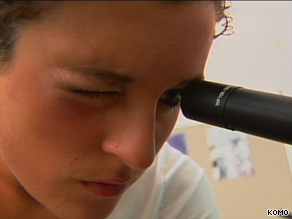
CNN has a very interesting story about a teenager named Jessica Terry who diagnosed her Crohn's disease in her AP (Advanced Placement) science class (called the Biomedical Problems class). She somehow got a piece of her intestine and was looking under the microscope when she saw a granuloma - a sign that she had Crohn's disease (a type of inflammatory bowel disease or IBD, not to be confused with irritable bowel syndrome or IBS. People get IBD and IBS mixed up all the time, so I had to clarify). Here's a snippet from CNN: "Crohn's disease is often misdiagnosed or diagnosed very late, says Dr. Corey Siegel, director of the Inflammatory Bowel Disease Center at Dartmouth-Hitchcock Medical Center in Lebanon, New Hampshire." In the case of Jessica Terry, she got her own intestinal biopsy slides and made the diagnosis herself! Read the full CNN story here.

The 5010 Testing Project Collaboration

Have you heard of the 5010 Testing Project Collaboration? It's a major initiative that was conducted in collaboration with the Centers for Medicare and Medicaid Services (CMS), the CAQH (Council for Affordable Quality Healthcare) and other CAQH participant organizations, HIMSS (Healthcare Information and Management Systems Society), Integrating the Healthcare Enterprise (IHE) Initiative, and the Blue Cross Blue Shield Association (BCBSA).

The four goals for the 5010 Testing Project included:

  • Initiating industry and market momentum for the adoption of the 5010 HIPAA transaction requirements and the complementary CORE rules certification process;
  • Providing an avenue to demonstrate current industry capabilities for HIPAA-compliant administrative data exchange with multi-stakeholder participation through the 2009 North American Connect-a-thon and the 2009 HIMSS Interoperability Showcase;
  • Highlighting the 5010 testing options in conjunction with the CORE Phase I and II rules testing scripts and testing tools already available to the market; and
  • Displaying private-public collaboration, and the critical role that voluntary, private sector-led efforts like HITSP, IHE and CORE play in the national landscape.
I don't think I've ever used so many acronyms in a blog post before! Did you catch all those?

Everyone knows CMS (Centers for Medicare and Medicaid Services) and HIPPA (Health Insurance Portability and Accountability Act). You're probably even familiar with the BCBSA (Blue Cross Blue Shield Association).

How about there health IT acronmys?
  • CAQH (Council for Affordable Quality Healthcare)
  • CORE (CAQH's Committee on Operating Rules for Information Exchange)
  • HIMSS (Healthcare Information and Management Systems Society)
  • HITSP (Healthcare Information Technology Standards Panel)
  • IHE (Integrating the Healthcare Enterprise)

Is Health IT the Root of Healthcare Reform?


Is Health IT the root of healthcare reform? Obama plans to establish a Reserve Fund of over $630 billion to finance healthcare reform over 10 years. Will health IT revolutionize healthcare? Will it reduce healthcare costs?

During the HIMSS Virtual Conference & Expo, there was a great educational session titled, "The Intersection of ARRA and Healthcare Reform." The presenter was Dave Roberts, MPA, FHIMSS.

"This session will provide the latest federal health IT policy updates from Washington, D.C., from our unique vantage point ’inside the beltway’. Learn about the latest evolving developments around the recently passed American Recovery and Reinvestment Act of 2009 legislation and how newly proposed Healthcare Reform legislation might impact our industry and your way of doing business."

Here are some interesting facts to consider:
  • 2016, we will be spending over $4 trillion on healthcare.
  • over 40% suffer from chronic illness
Obama is setting aside $20 billion for health IT and calling that the "foundation for healthcare reform." If you're wondering how most of that $20 billion is going to be divided, here are the biggest pieces of the pie:
  • $2.5 billion for distance learning, telemedicine, and broadband
  • $1.5 billion construction, renovation, HRSA
  • $1.1 billion for comparative effectiveness research (CER) within AHRQ, NIH, and HHS
Incentives for "meaningful use" will be provided through these 2 major sources: 1) Medicare; and 2)Medicaid. Are you still wondering what "Meaningful Use" means? Mark your calendars! On June 16, the federal government will release the definition of "meaningful use." Here's what we know what "meaningful use" will involve:
  • Certified EHR technology (what does "certified" mean?)
  • Information exchange
  • Report information required by the government
However, now we have even more questions: Within the ARRA, what does "certified" mean? Will the CCHIT (Certification Commission for Healthcare Information Technology) serve as the only certification body? In order for an EHR to be certified according to the ARRA, it must meet the following broad criteria:
  • Provide clinical decision support
  • Support CPOE (Computerized Physician Order Entry)
  • Capture and query information relevant to health care quality
  • Exchange and integrate e-health information with other sources
So where does this leave us? Will health IT serve as the foundation for healthcare reform? I believe that it will play a significant role and we're only seeing the tip of the iceberg right now.

Wednesday, June 10, 2009

HIMSS Virtual Conference & Expo: Day #2


Today was day #2 of the HIMSS Virtual Conference & Expo. This 2-day conference went by quickly, but I felt that it was much more interesting compared to last year. After all, we didn't have all the excitement about American Recovery and Reinvestment Act (ARRA) last year. I'll be writing about my thoughts and experiences over the next few days. Archived versions of the some of the educational sessions will be available Friday June 12.

The next HIMSS Virtual Conference & Expo will be November 10-11. Save those dates and hope to see you there!

AMA on Health IT

Did you catch the AMA webinar today on health IT? It was titled, "Stimulus 102: Update on the Health Information Technology Provisions."

If you missed it, then they will be posting a link to the archived version (and I'll post that link as soon as I get it). The webinar covered updates on the framework for the development and adoption of a nationwide HIT infrastructure. If you wish to gain a better understanding of the HIT provisions in ARRA, then you'll want to catch this webinar. The presenters were:
  • Russ Keene, Vice President, Ingenix CareTracker
  • Amanda Ervin, Director, Health Information Technology Initiatives

CCHIT Certification


Want to learn more about CCHIT certification? The Certification Commission for Healthcare Information Technology will be hosting a pair of web conferences on June 16 and 17 to address this topic.
  • The first conference will be titled, "New Paths to Certification: Dialog with the Open Source Community."
  • The second conference will be titled, "New Paths to Certification."
The registration page isn't up yet on the CCHIT website, but I'll be keeping an eye on it so that I can post a link when it goes live.

Breastlight and Breast Self-Exams


Medgadget has a story on a fancy flashlight-type medical device called the Breastlight. It shines a light through breast tissue so that you can almost see inside your breasts and look for suspicious areas that might suggest breast cancer. This device is produced by PWB Health Ltd out of Dumbarton, UK, and was developed by Highland Innovation Centre (Inverness , UK). Looks like a very interesting product, but I wonder if it will do more harm than good. What do I mean by that? Well, let's consider what's happening in the world of breast self-exams (BSEs). Are BSEs even recommended these days? Let's see:
  • The 3rd US Preventive Services Task Force (USPSTF) concluded that there was insufficient evidence to recommend for or against BSEs. That's very helpful.
  • In 2003, the American Cancer Society (ACS) changed its previous recommendation in favor of monthly BSE to a recommendation that women be educated about the benefits and limitations of BSE by their healthcare provider. Once again, that's very decisive, isn't it?
  • The American College of Obstetricians and Gynecologists (ACOG) recommends that healthcare providers routinely teach patients about BSE.
So, we should all teach patients about BSE, but should we be telling them that it's helpful or that it's harmful because it may lead to false positives and more invasive tests? Do BSEs really reduce mortality caused by breast cancer? What about other countries doing?
  • The Canadian Task Force on Preventive Health Care concluded that "there is fair evidence to recommend that routine teaching of BSE be excluded from the periodic health examination of women aged 40 to 49 (grade D recommendation)" because of excessive work-ups for false-positive examinations and lack of firm evidence that BSEs decrease breast cancer mortality. Now, we finally have someone taking a stand instead of straddling the fence!
  • The Advisory Committee on Cancer Prevention in the European Union states that there is "no convincing evidence for the effect of screening based on breast self-examination or clinical breast examination."
So where does this leave us on BSE? How will this new Breastlight impact breast cancer screening? I don't suggest that you share this device with hypochondriacs. To read the full article, click here. Image source: Medgadget

Will Roche have the first PPAR agonist?


The Wall Street Journal (WSJ): "Roche Diabetes Drug in Late-Stage Test"

Will Roche be the first with a dual PPAR agonists? Thiazolidinediones (TZDs) like Avandia (rosiglitazone) and Actos (pioglitazone) bind to peroxisome proliferator-activated receptors (PPARs). Several new thiazolidinediones are being investigated as "dual PPAR agonists." One such compound is aleglitazar (made by Roche). My gut tells me that they won't be marketed as TZDs. "Dual PPAR Agonist" sounds better, doesn't it?

A few years ago, AstraZeneca stopped R&D on a similar drug, Galida (tesaglitazar), while Bristol-Myers Squibb (BMS) stopped work on a drug called Pargluva (muraglitazar). TZDs just haven't had much luck, have they? Remember Rezulin (troglitazone)? It was the first TZD and it got pulled from the market because of liver problems.

Tuesday, June 9, 2009

Point-of Care CME Using the Internet


Point-of-care (POC) CME has been gaining a tremendous amount of traction recently. Did you know that you can earn CME credit for using the Internet to search for medical information? Directus may be used by physicians to document and receive AMA PRA Category 1 Credit™ for their Internet usage. Directus is a program that is downloaded to your computer and provides the structure for this process by documenting the educational activity and planned outcome, capturing search efforts and evaluating the actual outcome. It’s an easy way to participate in POC CME. If you encounter a patient who has an unusual condition, research your clinical question online and earn CME credit.

Physicians have reported many innovative ways to utilize Directus and reviews have indicated that Directus is a program that is easy and convenient to incorporate into your daily routine. Many physicians have discovered innovative ways to convert their normal Internet usage into CME credit by using Directus. Some of these activities include: viewing medical news, checking daily e-mail updates from your specialty society, reading a journal article, searching Medline, pursuing other medical news, watching a surgical procedure online, listening to a webinar, and viewing other CME activities free of any cost.

Physicians may register and download Directus at www.directus.cme.edu. For a limited time, Directus is available to readers of Medicine and Technology for $75 per calendar year which includes unlimited CME credits. Just input the educational code medicinetechnology.

HIMSS Virtual Conference & Expo: Day #1

Today is day #1 of the 2009 HIMSS Virtual Conference & Expo. Here's a snapshot of some of the key educational sessions from this morning:

Opening Keynote Address: Congress’ Role in Advancing 21st Century Medicine
  • The Federal Government’s Gateway Solution to the NHIN
  • The Secret Sauce: Achieving ROI that Justifies the Initial Investment
  • Real-World CIOs Who Implemented EHR Subsidies Under Stark
  • EHR Documentation - Mobile Devices That Are Used at the Ambulatory Point-of-Care
Have you been keeping up with the Nationwide Health Information Network (NHIN)? Also, how many clinicians are maximizing their productivity by using tablet PCs in the ambulatory setting? Health IT is growing rapidly, but can companies keep up with support staff and resources? How will the AHLTA (developed for the Department of Defense) model impact commercial EHRs?

I hope to write about some of these topics over the next few days as I absorb and process all this information.

Drug Marketing and Prescribing Behavior


According to MM&M, only about 10% of prescriptions are impacted by traditional marketing techniques such as detailing and sampling. This is based on the IMS study called the "Brand Excellence Study." Here's a very interesting snippet from the story: "Around 4% of physicians wrote 44% of all new-to-brand prescriptions tracked. Another 90% of physicians to whom roughly 60% of field force contacts and samples are allocated, generated less than 40% of new-to-brand scripts."

So what does this tell us about marketing practices? Will we see these small numbers plummet now that physicians no longer have branded pens, notepads, or other types of branded giveaways?

Endo 2009


On the heels of the ADA (American Diabetes Association) 69th Scientific Sessions, the Endocrine Society is having its annual meeting in Washington D.C.

Endo 09 runs from June 10-13. I wonder if the same hot topics that permeated ADA will be present at Endo (I'd have to think that most of them will carry over).

HIMSS Virtual Conference & Expo Starts Today!


The HIMSS Virtual Conference & Expo starts today at 8 AM Central Time and runs until tomorrow. It's a short period (only 2 days), so make the most out of it!

Harvard Researcher and the Secret of Aging


Has Harvard Medical School researcher David Sinclair found the secret of aging? There's an article in Forbes titled, "Never Say Die" and it features some of the research done by Sinclair. He is famous for discovering resveratrol, a chemical found in red wine that may impact aging. Experiments with resveratrol have shown that mice may live longer. Image source: totallycebu.com

Open-Source EHR in a Utah Hospital


Healthcare IT News has a story about a Utah hospital that is deploying an open-source electronic health record (EHR). Blue Mountain Hospital is going to run OpenVista by Medsphere.

Open-source does not always equate to FREE. Many open-source applications are free, but this isn't necessarily true in the world of EHRs. Here's a brief snippet about Medsphere's OpenVista: "Medsphere OpenVista represents a single solution that can be leveraged across the continuum of acute, ambulatory, and long-term care environments as well as in multi-facility, multi-specialty healthcare organizations. The high degree of integration across the enterprise has significant advantages in increasing clinical performance, reducing costs, and improving healthcare outcomes. It also facilitates the collection of data for the extended care team and for non-clinical uses such as billing, quality management, outcomes reporting, and resource planning."

Monday, June 8, 2009

CNN is Talking about HbA1c and Diabetes


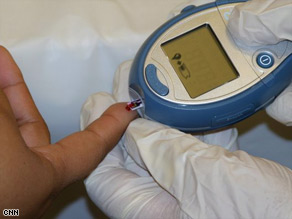
CNN has a story about the HbA1c test for diabetes. Will we be changing the way we diagnose diabetes? Instead of using fasting glucose levels, will we rely on the HbA1c? That would eliminate the need for fasting (unless you're checking cholesterol levels). This is a very hot topic at the ADA (American Diabetes Association) 69th Scientific Sessions. Experts seem to be pushing for the HbA1c. Let's see what ends up happening. I know that many physician already use HbA1c to screen non-diabetic patients for possible diabetes. Insurance companies may not be paying for such tests, so maybe that's going to change.

Over-The-Counter Prostate Cancer Test Kits


People rely on over-the-counter kits to check for pregnancy. Will we be checking ourselves for prostate cancer someday? University of Central Florida chemist and M.D. Anderson Cancer Center researchers are working on an inexpensive way to check for prostate cancer. They are using gold nanoparticles and engineering them to stick to cancer-producing proteins. This type of technology could be used to develop over-the-counter kits someday and perhaps that will result in an improvement in prostate cancer detection. My big question is: what's the sensitivity and specificity of such home-based tests?

ADA 2009: New Drugs for Type 2 Diabetes


Much has changed in the world of type 2 diabetes. In the past, we used to write type 2 diabetes as type II diabetes (notice the difference between 2 vs. II)? At ADA this year, we're seeing some exciting research about new treatment options for type 2 diabetes. This includes DPP-IV (or should that be DPP-4) inhibitors, GLP-1 analogues, and more.
  • Saxagliptin, an investigational dipeptidyl peptidase-4 (DPP-4) inhibitor, may yield cardioprotective effects as shown in a meta-analysis. Since diabetes is considered a cardiovascular risk equivalent, anything that offers cardioprotection would be beneficial for patients with diabetes. If saxagliptin gets approved, how will it compare to Januvia (sitagliptin)?
  • There's also an investigational once-weekly formulation of exenatide (Byetta) that's in the works. Speaking of GLP-1 analogues, I'm also eager to hear more about the research on liraglutide (an investigational agent).

Sunday, June 7, 2009

Excited about the 2009 Apple WWDC


I'm very excited to see what's going to be coming out of the 2009 Apple Worldwide Developers Conference (WWDC) that starts tomorrow. In particular, I'm eager to learn about 2 specific things:
  1. Apple Tablet (will we see this revealed?)
  2. Next iPhone (will it be cheaper and better?)
I envy those who are in San Francisco for the conference. I'm sure we'll see many tweets on Twitter about this. Will you be one of those people sending tweets (hopefully linked to plenty of photos and videos). Image source: iphonebuzz

Medicine and Technology: Top Posts for Last Week

Here are the top posts from last week:
  1. Sermo vs. Ozmosis: Physician Social Networking

  2. Jobs for Physicians with No Residency Experience

  3. Do You Have Cell Phone Elbow?

  4. A free EMR Solution?

  5. The Evolution of Clinical-Decision Support Systems

What's interesting is that post #2 and #4 were written last year and they still remain very popular. For clinicians and scientists who are interested in non-clinical opportunities in the healthcare industry, I urge you to visit my blog that is dedicated to this topic: http://www.nonclinicaljobs.com/

Cloud Computing and Healthcare


BusinessWeek has an article about Cloud Computing in the June 15th edition. It calls it Cloud Computing 2.0 and there's a little column in there titled, "A Sharper Eye on Patient Care." It describes how OptumHealth (a UnitedHealth Group Company) is using eSync to gather medical information and alert clinicians and patients if a problem is detected. These types of automated reminders are not difficult to generate as long as you have the right algorithms that are driven by evidence-based practice guidelines. According to this article, 20 million patients will be served by eSync medical technology.

In my former life, I worked for a company that has now been acquired by OptumHealth. There, we employed automated messages that were tailored for individuals who have various types of health conditions. As the world of electronic health record (EHR) soars over the next few years, we will see more employ decision support, automated messages, and more data integration. At the end, will we see improvements in public health? I'm hopeful that we will. Companies (and the government) are counting in reduced healthcare costs.

ADA 69th Scientific Sessions


The American Diabetes Association (ADA) is having its 69th Scientific Sessions this week. The conference began on June 5 and will run until June 9. I'm eager to see what types of advances will be revealed this year. The ADA is also using Twitter to post updates, but I don't see many people following @AmDiabetesAssn or @SciSessions2009. Do you use Twitter? Follow @DrJosephKim to all my updates.

Some of the hot issues seem to focus on:
  • Using HbA1c to diagnose diabetes. How often do you check HbA1c in patients who don't have diabetes? Some are using that test to screen patients for elevated glucose levels. Is that warranted? Is there a role for using HbA1c to diagnose diabetes? Is the HbA1c better than a fasting glucose test or the glucose tolerance test?
  • Final results from the RECORD (Rosiglitazone Evaluated for Cardiac Outcomes and Regulation of Glycaemia in Diabetes) study. Rosiglitazone (Avandia) may increase heart failure, but does it increase mortality? The answer appears to be "no."
I hope that New Orleans is making a recovery from Katrina. I've seen many medical meetings take place in New Orleans over the last few years, so hopefully that is helping some of the businesses in that city.