Saturday, May 23, 2009

Preview My New Book


Do you want a preview? This is still a very rough draft, but here's a small preview of my new book (which is currently in draft form - I'm working on Chapter 6):
A Taste of Chapter 1 from My Book

Currently, I plan to use Lulu.com to publish my book once it's ready.

Touch Computing Helping Kids with Autism


Kids with autism typically struggle in three areas: socialization, communication, and behavior. Touch-screen computer technology may be instrumental in helping kids with speech. NBC Bay Area News reports that Hope Technology school in Palo Alto California is using HP TouchSmart PCs to help children with autism. Kids are touching the screen to communicate short messages. Those machines were donated to the school by HP when executives found out that the school had lost all its PCs to theft. Now, these touch-screen computers are helping autistic children communicate. Who needs keyboards when you can simply touch the screen? I'm predicting that future computers will be primarily driven by voice recognition and touch screen. The keyboard will be a thing of the past.

Friday, May 22, 2009

Is Breast Cancer a Different Disease in Young Women?


We often think of breast cancer as primarily being a disease that affects older individuals. However, there are many cases of young, healthy women developing breast cancer and most of them have positive genetic markers to genes like BRCA1 and BRCA2. These genes are currently implicated in the majority of inherited breast (and even ovarian) cancers.

When breast cancer hits a really young woman (say in her early 30's), is it an entirely different disease? This seems to be an area that causes confusion in the oncology community. In a recent CME-certified activity titled, "Breast Cancer in Women Under 40," Jeffrey Peppercorn, MD, MPH discusses this issue. He remarks how breast cancer in women under 40 are more likely to be:
  • estrogen receptor-negative (or ER negative)
  • higher grade
  • HER2-positive
Plus, he indicates that "young African-American women are more likely to have triple-negative breast cancer (estrogen receptor–negative, progesterone receptor–negative, and HER2-negative)."

Advances in medical science are helping us understand the disease process of cancer as researchers explore different treatment options including chemotherapy, hormone therapy, radiation, and other modalities. With all these advances in medicine and technology, will we ever find a cure for breast cancer?

Speaking of breast cancer, one topic I don't think anyone really understands is the spontaneous regression of tumors (when tumors disappear by themselves). It's very rare, but it does occur. Miracle healings! One minute you're told you have a tumor, the next minute it's gone! Do modern day miracles still happen? I believe they do. Scientists have postulated various mechanisms by which tumors may disappear by themselves. One researcher lists these possible explanations: "immune mediation, tumor inhibition by growth factors and/or cytokines, induction of differentiation, hormonal mediation, elimination of a carcinogen, tumor necrosis and/or angiogenesis inhibition, psychologic factors, apoptosis and epigenetic mechanisms." The list doesn't include supernatural healings, but psychologic factors? I'm not so sure about that.

If we can gain a better understanding of why certain tumors may disappear by themselves, then this information may someday lead to a cure for cancer. I'd like to see more research on the topic of spontaneous regression.

Supporting Medical and Humanitarian Charities

I am supporting medical and humanitarian charities through the advertising revenue that I generate on my blogs. I welcome your comments as I research other groups, but here are a few examples:


Allow God to work through you. Now is the time to sponsor a child.


I will add banner ads for charities on my site and I encourage you to support them, especially during these difficult economic times.

The Demise of Primary Care


Sounds like a depressing title, doesn't it? That was the title of a recent article in the Annals of Internal Medicine.

"The demise of primary care: a diatribe from the trenches."

The trenches? Is it really that bad? Most medical students are not inclined to pursue a career in primary care, and now this comes out to encourage them even more? Something doesn't make sense here.

Here's a segment from the abstract: "Individualized clinical judgment has been devalued; thinking has been replaced by algorithms. Practice guidelines have been usurped by pay-for-performance police, on patrol for deviations--not understanding that knowing and allowing for exceptions is the heart and soul of primary care. The coercive surveillance of "Quality Improvement" has become oppressive, making single organ-system specialties increasingly attractive (or at least more tolerable). Generalists are spending so much time proving they are good doctors, they don't have time to be good doctors."

Then, the author (David D. Norenberg, MD) proposes a very interesting idea: a pilot project of volunteer salaried internists (more trusted, less audited) commissioned to our expandable national health care program, Medicare.

So, what do you think? Is primary care dying? Dead? Does it have a chance of getting revived? Will Obama create new policies that will bring new life to the world of primary care? Or, will primary care physicians slowly get replaced by non-physician healthcare providers like nurse practitioners, physician assistants, and others?

MIT AgeLab


I have very fond memories of my days at MIT. So much has changed since those "stone ages." For instance, the MIT AgeLab (which was created in 1999) wasn't around when I was a student at MIT. Was it really that long ago?

The MIT AgeLab was created to invent new ideas and creatively translate technologies into practical solutions that improve people's health and enable them to "do things" throughout the lifespan. Based within MIT’s School of Engineering’s Engineering Systems Division, the AgeLab has assembled a multi-disciplinary and global team of researchers, business partners, universities, and the aging community to design, develop and deploy innovations to improve quality of life.

The lab uses these 3 principles:
  1. Field Research
  2. Theoretical Models
  3. Laboratory Experiments
Today's MIT students have tremendous opportunities that we didn't have several decades ago. I envy them. If I could go back as a student again, I think I'd be spending so much time in the lab doing engineering research that I'd probably pursue a PhD and not an MD.

Coumadin and Pharmacogenetics


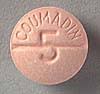
I know many people who have to take warfarin (Coumadin) because they have a history of venous thromboembolism or VTE. Blood clots can be deadly. Coumadin isn't an easy drug to take. The effects of the drug can really vary based on what you eat, especially if you eat anything that is high in vitamin K like green leafy vegetables. Coumadin acts by blocking the actions of vitamin K (it's often called a vitamin K antagonist).

The The International Warfarin Pharmacogenetics Consortium researchers have found that "the use of a pharmacogenetic algorithm for estimating the appropriate initial dose of warfarin produces recommendations that are significantly closer to the required stable therapeutic dose than those derived from a clinical algorithm or a fixed-dose approach." Sounds pretty interesting, doesn't it? Take a look at the New England Journal of Medicine (NEJM) article here if you'd like to read more about this interesting pharmacogenetic algorithm.

Thursday, May 21, 2009

AMA Webinar: Stimulus 101


During my lunch break today, I attended the live AMA (American Medical Association) webinar titled, "Stimulus 101: Basics of the Health Information Technology Provisions"

The presenters were:
  • Glen Tullman, CEO, Allscripts
  • Margaret Garikes, Director of Federal Affairs, AMA
And the webinar was described as:
  • Understand the HIT provisions in the "American Recovery and Reinvestment Act of 2009" (ARRA) and receive the latest update on the HIT Policy and Standards Committees.
If I could summarize several key points that struck out to me, they would be:
  1. We're still all waiting for the definition of "meaningful use." (what a surprise, right?)
  2. An EHR (electronic health record) system that is not currently CCHIT certified is unlikely to qualify under ARRA.
  3. If you're currently using a non-CCHIT certified EHR, contact your vendor to evaluate whether they plan to update (or completely rebuild) their system to qualify.
  4. People are confused about whether the Medicare/Medicaid PQRI (Physician Quality Reporting Initiative) measures and e-prescribing incentives are related to the incentives described in the ARRA. (right now, they appear to be completely separate initiatives)
Care to listen to the archived webinar? Click here.

Google "CCHIT Certified EHR"


If you type "CCHIT Certified EHR" into Google, then my site comes up as the #2 result! (you can guess who comes up as #1). On average, visits to this site from search engines represents 17-18% of my traffic. I'm not a search engine optimization (SEO) expert, but I think it's great that Google thinks that my site is relevant to the keywords "CCHIT Certified EHR"
  • CCHIT (Certification Commission for Healthcare Information Technology)
  • EHR (Electronic Health Record)
To see the current list of CCHIT Certified 08 Ambulatory EHRs, click here.

CIMZIA and OXO GOOD GRIPS


I love kitchenware made by OXO GOOD GRIPS®. Who would have thought that they would team up with a pharmaceutical company to develop an innovative syringe filled with a biologic agent?

UCB, the biopharmaceutical company that makes CIMZIA (certolizumab pegol), partnered with OXO GOOD GRIPS® to design a syringe that would be easy to use for many people. Sounds like a great idea to me. A soft, non-slip grip should make this easier to use. Should we expect to see more of these "easy to use" syringes for other injectable drugs?

Cimzia is currently the only PEGylated anti-TNF (Tumor Necrosis Factor) approved by the FDA for reducing signs and symptoms of Crohn's disease and maintaining clinical response in adult patients with moderate to severe active disease who have had an inadequate response to usual treatments. Cimzia is also FDA approved for the treatment of adults who have moderately to severely active rheumatoid arthritis (RA).

Social Networking Tips for Physicians Looking for a Change

If you're new to the world of online social networking, you may want to take a look at this: Social Networking Tips to Help You Find Non-Clinical Opportunities

Government Health IT Conference & Exhibition


The Government Health IT Conference & Exhibition will occur in Washington D.C. next month. HIMSS is the Healthcare Information and Management Systems Society.

Interested in attending? Get more information by visiting: http://www.govhealthitconference.com

Finding a CCHIT Certified EHR

I still know many physicians who are using an EHR (electronic health record) system that has never been CCHIT (Certification Commission for Healthcare Information Technology) certified. They chose to go with a low-cost system from a small company that never had the intention of pursuing CCHIT certification. In the past, it may not have mattered too much if you were using a non-CCHIT certified EHR or EMR. Now, that may be an entirely different story.

Before, it may have been difficult to justify the transition to a new EHR system. Data migration isn't always seamless and you may risk losing information. Your office staff members will need to learn an entirely new system if you switch. The costs involved are not trivial. However, I'm trying to communicate that it may be well worth the benefits down the road because of the American Recovery and Reinvestment Act (ARRA).

Get familiar with the different Certification Commission Work Groups:
  • Ambulatory EHR
  • Inpatient EHR
  • HIE
  • Interoperability
  • Security
  • Behavioral Health
  • Child Health
  • Cardiovascular Medicine
  • Emergency Department
  • Personal Health Records
  • Privacy & Compliance
  • Electronic Prescribing

Wireless Challenges in the Healthcare Setting


Roughly one-third of U.S. hospitals use wireless technology. You've probably seen some Wi-Fi antennas as you've walked through hospitals. Healthcare IT News reports that a new study has identified these five major challenges of implementing a wireless network in the healthcare setting:

1. Physical connectivity (especially in old hospitals)
2. Technology connectivity issues
3. Meeting user demand
4. Security considerations (high risk of stolen laptops)
5. Network management issues

So, how are these unique to the healthcare setting? Maybe the issue with security is a bigger concern when you're dealing with patient health information. I wonder if WiMax technology will resolve some of these challenges. The study was sponsored by NetMotion Wireless.

How Do You Calculate GFR?


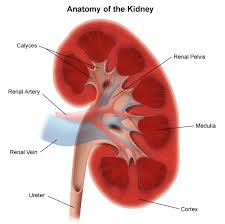
GFR = Glomerular Fitration Rate

It's an indication of how your kidneys are functioning. In medical school, we learned all sorts of formulas to calculate the GFR. Now with medical smartphones and PDAs, we can simply punch in the numbers and get an estimated GFR very easily.

The CKD-EPI (Chronic Kidney Disease Epidemiology Collaboration) has proposed a new equation to calculate GFR and they published this in the Annals of Internal Medicine. Titled, "A New Equation to Estimate Glomerular Filtration Rate," this article outlines how the CKD-EPI equation performed better than the Modification of Diet in Renal Disease Study (MDRD) equation, especially at higher GFR, with less bias, improved precision, and greater accuracy. Will this replace the Cockcroft-Gault Calculator?

Wednesday, May 20, 2009

Reducing Resident Work Hours Could Cost $1.6 Billion!


The IOM (Institute of Medicine) has a new report that recommends, among other changes, improved adherence to the 2003 Accreditation Council for Graduate Medical Education (ACGME) limits, naps during extended shifts, a 16-hour limit for shifts without naps, and reduced workloads.

The New England Journal of Medicine (NEJM) has a story about the "Cost Implications of Reduced Work Hours and Workloads for Resident Physicians." What are these cost implications? $1.6 billion! Not million, but billion! The authors of this study conclude that "Implementing the four IOM recommendations would be costly, and their effectiveness is unknown. If highly effective, they could prevent patient harm at reduced or no cost from the societal perspective. However, net costs to teaching hospitals would remain high." The reference year in this study was 2006, so imagine the implications for 2009 and beyond!

I remember when resident work hours were capped at 80 hours per week. That occurred in 2003. If you stop to think about it, 80 hours is still a lot of work! It's practically two full-time jobs! Many hospitals and universities had tremendous difficulty implementing proper changes to accommodate this new requirement. They tried different things like a "night float" system to "call-free weeks" to "take one day off this week" to "this just isn't working so don't tell anyone and continue working your 120 hours this week."

So what's going to happen? Will resident work hours get reduced from 80 hours to something even less?

Does CMV Cause Hypertension?


CMV (cytomegalovirus) is a common virus that infects people here in the U.S. According to the CDC, 50% and 80% of adults are infected with CMV by the age of 40. Reuters is reporting that a study (that involved mice, not people) found that CMV infection causes high blood pressure or hypertension. The theory is that CMV infection may cause persistent inflammation of the blood vessels, predisposing them to conditions like atherosclerosis. The theory makes sense if you consider the fact that many virus infections cause chronic changes that even lead to cancer (like HPV and cervical cancer). So, if chronic vascular inflammation due to CMV is a common cause of hypertension in adults, does this mean that hypertension can be "cured" in some cases with antiviral therapy? Image source: Reuters

Medtronic: Pacemaker Defects


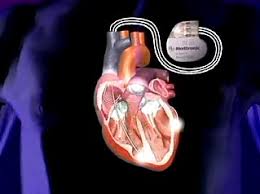
Some people out there rely on a pacemaker to survive. Others may have a pacemaker as a "backup" in case their heart rate drops or does something funny. Medtronic has warned physicians that 37,000 Kappa pacemakers may have a defect which can cause the battery to stop working. Since the pacemaker is under the skin, it's not easy to go in there and change the battery.

I wonder what pacemakers will look like in the future. You'd have to think that with advances in medical technology, we may come up with a self-powered pacemaker that doesn't rely on a battery, right? I bet that in the future we'll see doctors regenerating the sinoatrial node (SA node or sinus node) in a Petri dish and transplanting that into a heart. That will be called a "pacemaker transplant" and we won't need battery-powered devices anymore.

According to Medtronic CEO Bill Hawkins, "most" of the defective pacemakers were distributed overseas. I'm sure many people want to know what "most" means. I also wonder if this is related to the fact that Medtronic is cutting 1,500-1,800 jobs.

CCHIT New Criteria: 2009-2010


The CCHIT (Certification Commission for Healthcare Information Technology) has approved 2009-2010 criteria for certification of ambulatory, inpatient and emergency department electronic health records (EHRs). This data will be published on May 29 on the CCHIT.org website.

Is your current EHR CCHIT certified? Will is still be certified next year? I think many physicians want to know about the specific criteria to be a "qualified EHR" according to the American Recovery and Reinvestment Act (ARRA). Plus, you'd have to demonstrate "meaningful use" of your EHR system (have we defined "meaningful use" yet?). Perhaps you'd like to hear what Dr. Mark Leavitt said about this matter. You can also find that on the CCHIT.org website.

Tuesday, May 19, 2009

Grand Rounds at Healthcare Technology News

This week's Grand Rounds is being hosted at Healthcare Technology News and the focus is on healthcare reform.

Are You Willing to Save a Life?


If you are, then please register to donate your bone marrow to save a life. There's a person named Nick Glasgow who has a Facebook page about his fight against acute leukemia (to find this page, search for "SAVE NICK GLASGOW" after you log into Facebook. He's in need of a bone marrow transplant and you could be the one to save his life. Given his unique ethnic (he's 1/4 Japanese and 3/4 Caucasian), it will be very difficult for him to find a match. Advances in medical technology and drug development have led to some incredible cancer therapies, but a bone marrow transplant still remains the only cure for many diseases.

I was deeply moved by a story on Facebook about a woman named Jodie Gee who was also in need of a bone marrow transplant. Her story inspired me to register with the Asian American Donor Program at AADP.org. Here's what I had to do to register: order a registration kit (which was free through the AADP); sign several forms; swab the inside of your mouth; and send the packet in the mail (pre-stamped). It only takes a few minutes of your time and you'll never be forced to donate if you're on the registry.

Living in a Highest Potential Radon Zone

I live in a Radon Zone that's categorized as "Highest Potential" - or Zone 1. I'm willing to bet that many (if not most) most people don't know what zone they live in.

Zone 1 counties have a predicted average indoor radon screening level greater than 4 pCi/L (pico curies per liter) (red zones) Highest Potential
Zone 2 counties have a predicted average indoor radon screening level between 2 and 4 pCi/L (orange zones) Moderate Potential
Zone 3 counties have a predicted average indoor radon screening level less than 2 pCi/L (yellow zones) Low Potential

The British Medical Journal (BMJ) has a recent article titled, "Lung cancer deaths from indoor radon and the cost effectiveness and potential of policies to reduce them." Notice how the term "cost effectiveness" is in the title. Does that concern you? Should it concern you that governments and other agencies are making policies and decisions based on the "cost effectiveness" of something? How do you define the cost of life? How about the cost of lung cancer?

The authors of this study have this comment in their discussion section: "Direct evidence now shows that indoor radon causes lung cancer in the general population not only at high concentrations but also at concentrations below... the current action level for homes in the United Kingdom... In most other countries indoor radon concentrations are higher than in the UK and the proportions of deaths attributable to radon are likely to be correspondingly higher."

How does that make you feel?

Risk of Stroke or Bleed?


Would you rather risk a stroke or a bleed? A massive hemorrhage? Well, if you put it that way, then maybe it's too obvious.

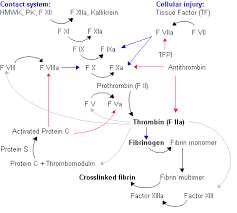
When I was in medical school, the standard treatment for atrial fibrillation anticoagulation was either warfarin (Coumadin) or aspirin (for those who can't take warfarin or for those who have a relatively low risk for embolic stroke). Warfarin acts on the coagulation pathway by inhibiting factor VII. Aspirin acts on platelets - and doesn't act on the coagulation cascade. (I realize that I may be over-simplifying this, but this is a blog and not a scientific textbook so I hope you'll bear with me). Plavix (clopidogrel) also acts on platelets and doesn't act on the coagulation cascade. Does it make sense to combine asprin and Plavix to prevent embolic stroke in patients with atrial fibrillation? In medical school, I would have answered "no" because neither aspirin nor Plavix work on the coagulation cascade. They don't interfere with fibrin, thrombinogen, Protein C, or thrombin. So

A recent edition of the NEJM has an article titled, "Effect of Clopidogrel Added to Aspirin in Patients with Atrial Fibrillation." The ACTIVE Investigators wanted to know what would happen if you add Plavix to asprin in patients who have atrial fibrillation. Here's what they found (in a nutshell): "In patients with atrial fibrillation for whom vitamin K–antagonist therapy (they're referring to warfarin) was unsuitable, the addition of clopidogrel (Plavix) to aspirin reduced the risk of major vascular events, especially stroke, and increased the risk of major hemorrhage."

So, would you rather risk a stroke or risk major hemorrhage?

Monday, May 18, 2009

6th U.S. Swine Flu Death and More NY Schools Closing

CNN is reporting that 5 more U.S. schools are closing because of swine flu (or because they fear the spread of swine flu). Meanwhile, MSNBC indicates that H1N1 is everywhere. MedPageToday says that the 6th U.S. death related to swine flu was a New York educator Mitchell Wiener, assistant principal at Intermediate School 238 in Queens, NY. Do you think the schools in NY are overreacting?

Free Epocrates Rx PRO

Well, if you recently purchased a BlackBerry then you may qualify for this great deal Free Epocrates Rx PRO through BlackBerry

If You're a Physician, Have You Joined Sermo?


If you're a U.S. physician, have you joined Sermo?

Sermo is a FREE online community where physicians can earn $ by completing short surveys. Click here to join for FREE.

It's a great place for social networking, ranting, and raving (who needs a blog when you have Sermo?). After you join, you can refer your colleagues and even get Amazon gift certificates for each referral.

Blogging Tips for Entrepreneurial Medical Students

I remember the days of being an over-worked, sleep-deprived, poor, stressed-out, medical student. I would not have considered myself an entrepreneurial medical student. Well, then again, maybe I was somewhat entrepreneurial. After all, I looked for opportunities to get involved in private tutoring so that I could make a bit of extra cash to help with some of my bills.

It's important to be realistic if you plan to venture on a new project that doesn't deter you from your main focus (which in this case should be studying). What if you could easily make $1/day for a few minutes of blogging? That might cover your cell phone bill. Within six months, what if you could increase that to $2/day? I'm not a fan of "get rich quick" types of schemes, but I've had the opportunity to personally help, coach, and guide medical students who were able to make up to $10/day by blogging (it takes a considerable amount of time to earn more than that, and most medical students don't really have the luxury to blog too much). You have to come up with content that will attract readers. Are you a good writer? Would that be worth your time? If so, then I encourage you to follow my blogs as I provide practical tips for medical students, residents, and practicing physicians who may be interested in starting a blog.

If I Could Go Through Life Again


If I could go through life again, I think I'd like to pursue a career in Aerospace Medicine. What is Aerospace Medicine?

According to the American Board of Preventive Medicine, "Aerospace medicine focuses on the clinical care, research, and operational support of the health, safety, and performance of crewmembers and passengers of air and space vehicles, together with the support personnel who assist operation of such vehicles. This population often works and lives in remote, isolated, extreme, or enclosed environments under conditions of physical and psychological stress. Practitioners strive for an optimal human-machine match in occupational settings rich with environmental hazards and engineering countermeasures."

Kids often grow up with lofty dreams. I always wanted to be an astronaut or a fighter jet pilot (yes, you can blame those dreams and ambitions on my love for Star Wars and science fiction). However, my dreams shifted towards biomedical engineering as I got older and those dreams of space travel faded away. Now, as I look back on life, I wonder what life would have been like if I had pursued aerospace medicine. Preventive medicine is not a specialty that is emphasized very much in most medical schools. In fact, I still meet many medical students who are not familiar with this specialty. They have no idea that you can do a residency that also includes the completion of an MPH degree.

Want to Know My Salary?

If I were a physician in Utah and I worked at the University of Utah, then you'd be able to look up my salary? How? Because of this: Utah's Right to Know Salary Info for Docs
Since I'm not employed by the University of Utah, my salary won't be on that list.

Sunday, May 17, 2009

Top Posts Last Week

Here are the top posts for last week:
  1. Double Hand Transplant!

  2. AMA on Ethics and CME

  3. Jobs for Physicians with No Residency Experience

  4. Health Data Hacked at UC Berkeley

  5. Living and Dying in an Iron Lung

Obama, Abortion, and Notre Dame University


May is a busy month because of all the graduation ceremonies that are taking place around the country. I remember when President Clinton spoke at MIT a number of years ago. This year, President Obama was at Notre Dame and his commencement speech on abortion issues stirred quite a fuss according to CNN.

CNN reports that 39 people were arrested, including Norma McCorvey who was the plaintiff identified as "Roe" in the Supreme Court's 1973 Roe v. Wade decision that struck down state laws banning abortion. I wonder how many people know that McCorvey became a pro-life Christian in 1995 and now has a pro-life ministry known as Crossing Over Ministry (McCorvey was initiatied into the Catholic church in 1998).

Abortion continues to be a very heated topic in the world of healthcare, ethics, politics, and religion. We all know that President Obama is a supporter of abortion rights and federally-funded embryonic stem-cell research. Many Catholic voters (especially those who attend regular services) were opposed to having President Obama speak. Notre Dame President John I. Jenkins noted in a statement in March that the invitation does not mean the university agrees with all of Obama's positions. President Obama also received an honorary degree from Notre Dame and this seems to have caused even more controversy! Image source: CNN

H1N1 Around the World


H1N1 may not be a pandemic, but it has reached the ends of the earth. Take a look at this WHO (World Health Organization) map!

As of today (May 17), 39 countries have officially reported 8480 cases of H1N1 infection. Swine flu has spread very rapidly to many countries. Had the virus been more virulent and lethal, could we have had a pandemic? Could a pandemic still occur this fall/winter during the regular flu season? I hope that H1N1 won't go down in the history books like the Spanish Flu.

Podcast Interview on Canadian EMR


I was interviewed by Dr. Alan Brookstone on Canadian EMR and I invite you to like to listen to our podcast recording. We discussed issues including Personal Health Records (PHRs) and hardware around Electronic Medical Records (EMRs). It's a very brief recording (roughly 11 minutes) and I'd like to thank Dr. Brookstone for having me on his show.

Medical Software for the BlackBerry Storm


With all the recent buzz about the BlackBerry Storm 2 (which won't have the clickable SurePress screen), I've been inundated with questions about medical software for the BlackBerry Storm. Why do I get so many questions? Because I also author the site: http://www.medicalsmartphones.com

There are several options for physicians, medical students, nurses, and pharmacists who are looking for medical software for their BlackBerry Storm. Let me start by highlighting 3 of those:
  • The first is Epocrates. Epocrates is a great free mobile drug and formulary reference. I've been using it for many years.
  • Now, if you're willing to spend some money, then you could also use PEPID.
  • Finally, QxMD is also free. Great for medical calculators.
There are obviously others and I'll be highlighting them in future posts.

Finally, don't forget about this special offer: Free Epocrates Rx PRO through BlackBerry

How Do You Become a KOL?


What's a KOLs (stands for key opinion leader)? They are generally physicians who are considered to be influential in their field of expertise. Some people may refer to them as "key thought leaders" in the world of pharma and market research.

USA Today has put up a list called "Most Influential Doctors"

Here's a quote: "Most Influential Doctors, an analysis by the medical information firm Qforma, lists thousands of physicians considered the "thought-leaders" in more than 300 U.S. metro areas. The list includes about 6,000 physicians in these four specialties:
  1. hypertension
  2. high cholesterol
  3. asthma
  4. diabetes
Here's a disclaimer: Influence does not imply a measure of quality of care, nor does this list serve as an endorsement by USA TODAY or Qforma.

So, do you think your doctor is on that list? How would you rate the quality if your physician? Remember, quality is not always equal to influential.

Chemotherapy in Older Women with Early Breast Cancer


There aren't that many clinical studies that include older women with early breast cancer. Plus, older women are more likely to be treated with lower doses of chemotherapy than younger women. So, it becomes difficult to know how they should be treated if they present with early breast cancer.

Fortunately, the NEJM has an interesting article about the use of "Adjuvant Chemotherapy in Older Women with Early-Stage Breast Cancer." Here's the conclusion: Standard adjuvant chemotherapy is superior to capecitabine in patients with early-stage breast cancer who are 65 years of age or older. In this study, standard chemotherapy was either cyclophosphamide, methotrexate, and fluorouracil or cyclophosphamide plus doxorubicin. Capecitabine is marketed by Roche under the trade name Xeloda.

So what does all this mean? Here are some of the highlights from the discussion section of the article:

The authors note that "the choice of chemotherapeutic agents, dose, schedule, and dose modification should be based on the treatment plans in published reports." There are significant toxicities associated with certain chemotherapy agents and many older patients are unable to tolerate such regimens.

The authors also write that "patients in this trial had an excellent performance status and no major organ dysfunction. The toxicity of these regimens in vulnerable or frail patients is probably greater than the toxicity observed in the patients in this study, and they should be administered with caution or not at all in such patients."